


I found myself clapping along with the film. When I realized what I was doing, I looked over at the only other person seated in the darkened room. His hands were folded neatly in his lap, and he was staring at the screen. A man in uniform had led us in, given a full introduction to the park in Japanese, and bowed. He then looked at me and said in English, “Please no photos or video,” and clicked play.
It was a bear safety video, required viewing for anyone hiking in Shiretoko National Park. Through live-action scenarios, I was taught how to clap, and as the video continued, I warmed up my vocal cords for the instructed calls. The video warned me that I could have nothing to eat or drink except water or tea while hiking, so I was thankful to have finished my lingonberry soft-serve ice cream cone before paying for my entry card. Bears could hardly be interested in the coins left over from both purchases, I thought.
After the video finished, the ranger continued our briefing with PowerPoint slides showing the most recent bear sightings on the trail, including several in the past week. Guides are mandatory until July 31st on this hike for the safety of bears and guests. I initially thought I was being smart skipping that cost by sitting here on August 2nd, but now, looking at what a scrawny meal the only other man on the trail would make, I wasn’t so sure. I wanted to ask the ranger how the bears knew it is now August, but he seemed to read my mind, turning to me in English and saying, “On August 1st our vegetation protection period started, so now officially our concern is the plants.”
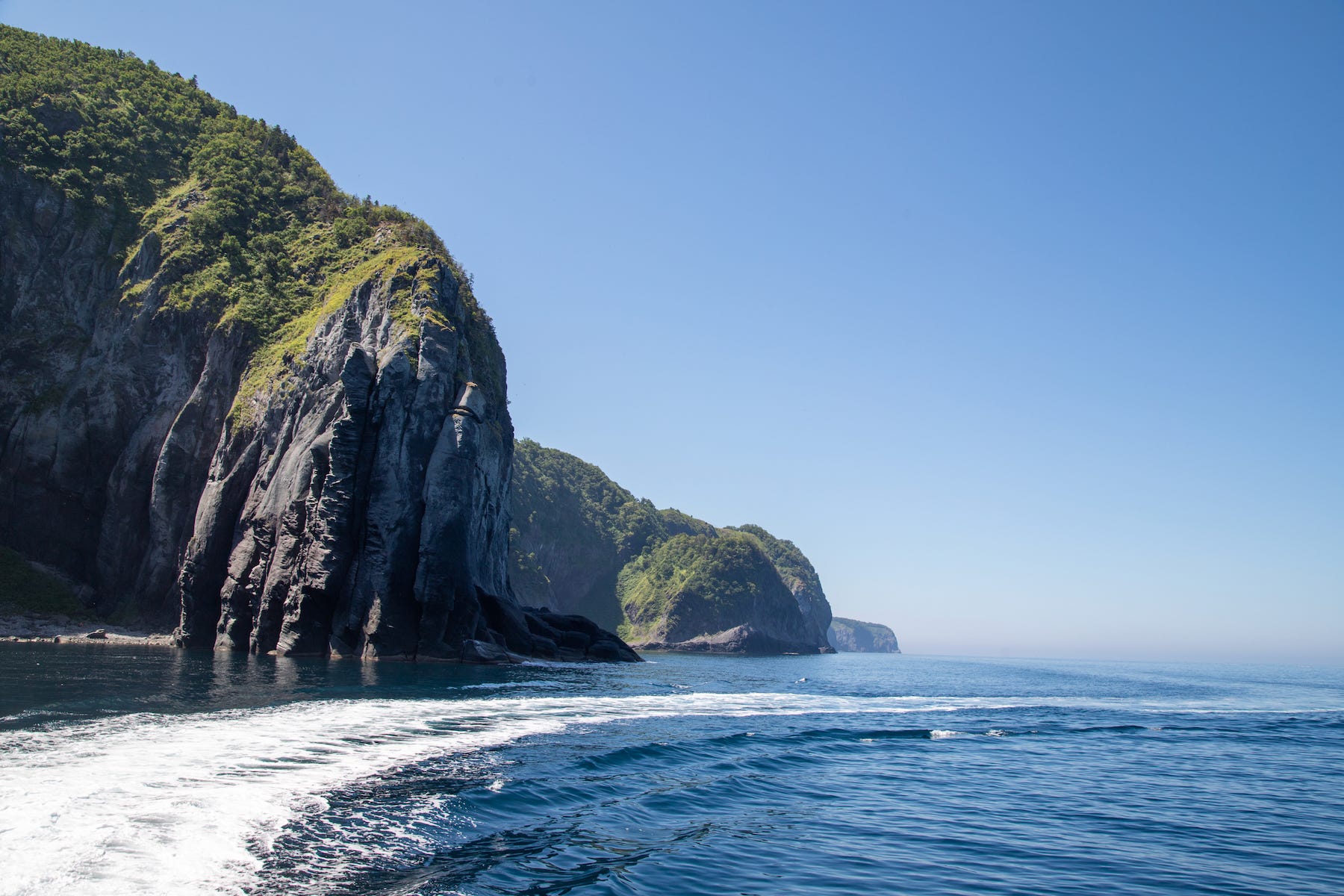
The name Shiretoko is said to come from the Ainu word Sir-etok, meaning the end of the earth. The peninsula sits at the far northeastern tip of Hokkaido, and it has been a UNESCO World Heritage Site since 2005. What makes it unique is the diversity of its habitat on both land and sea, with cliffs rising more than 100 meters out of the Sea of Okhotsk. Shiretoko is a long way from the Japan most visitors see, and it also has one of the highest recorded densities of brown bears in the world. A few days earlier, when I could still have walked this trail with a guide, I had chosen to see the bears from a boat.
Most people base themselves in Utoro, a small fishing town on the peninsula’s western side, closest to the park itself. There are only a handful of hotels, most of them traditional onsen style, and the harbor, which is currently expanding, is full of fishing vessels. The cruises leave from there. Some go all the way past the lighthouse at the tip of the peninsula, and others, like the Rusha Bay cruise we took, go up the coast and turn around. Orcas and humpbacks are sometimes seen along the way.
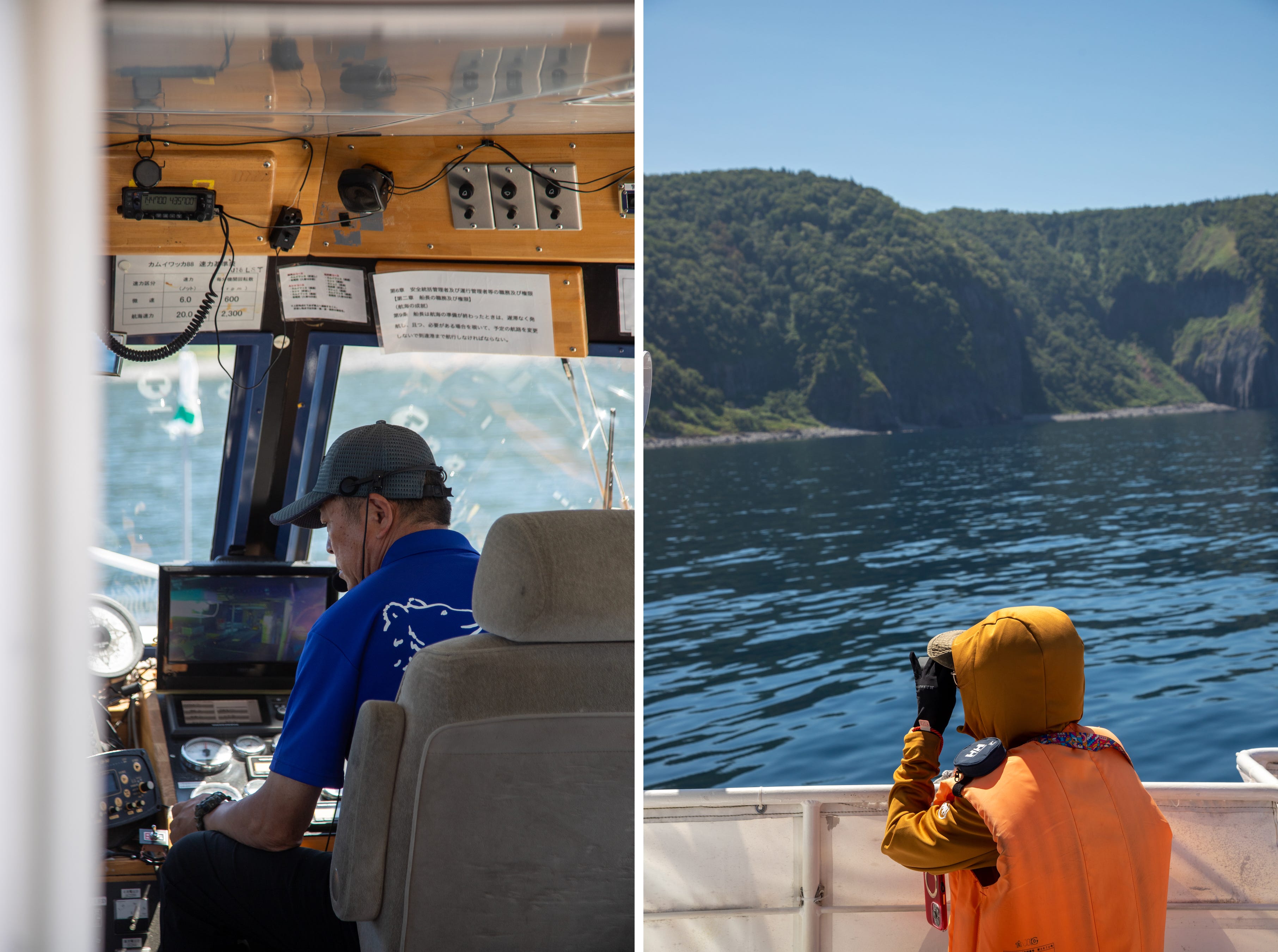
Our boat was small, and there were about 30 of us onboard. We had been given a specific boarding number at the boat office, lined up like schoolchildren, and then guided in that same single-file line through the streets of Utoro and onto the boat. As we walked, bear bells attached to other guests’ backpacks jingled. Once aboard, we glided through still waters while a young staff member narrated in Japanese. To our right, the cliffs loomed over us as we dipped in and out of the coves, looking for bears at the water’s edge. Just before turning around and heading back, the crew finally saw one, pulling a fresh kill of a sika deer among the boulders. Through the binoculars, it was unmistakably a bear, and without them it was unmistakably a rock. A photo zoomed 10x on my iPhone captured the moment as a little blur on the lower half of the image. It is a photo that would be pointless to show anyone, but one that confirms I did, in fact, see a bear. That was the plan all along. See the bears from a boat where my wife could also enjoy it while the guides were still required, and then head out hiking on my own once they weren’t.
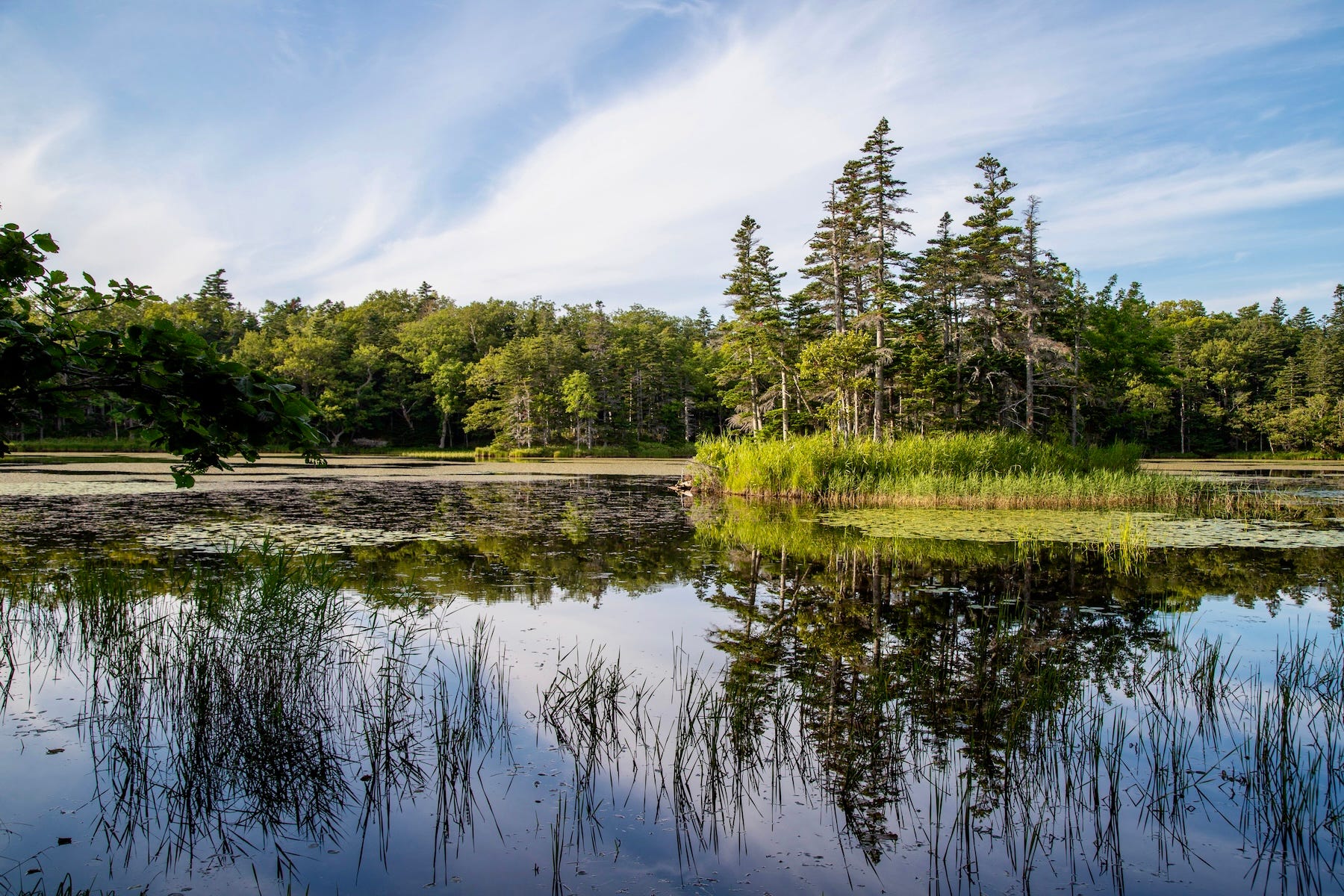
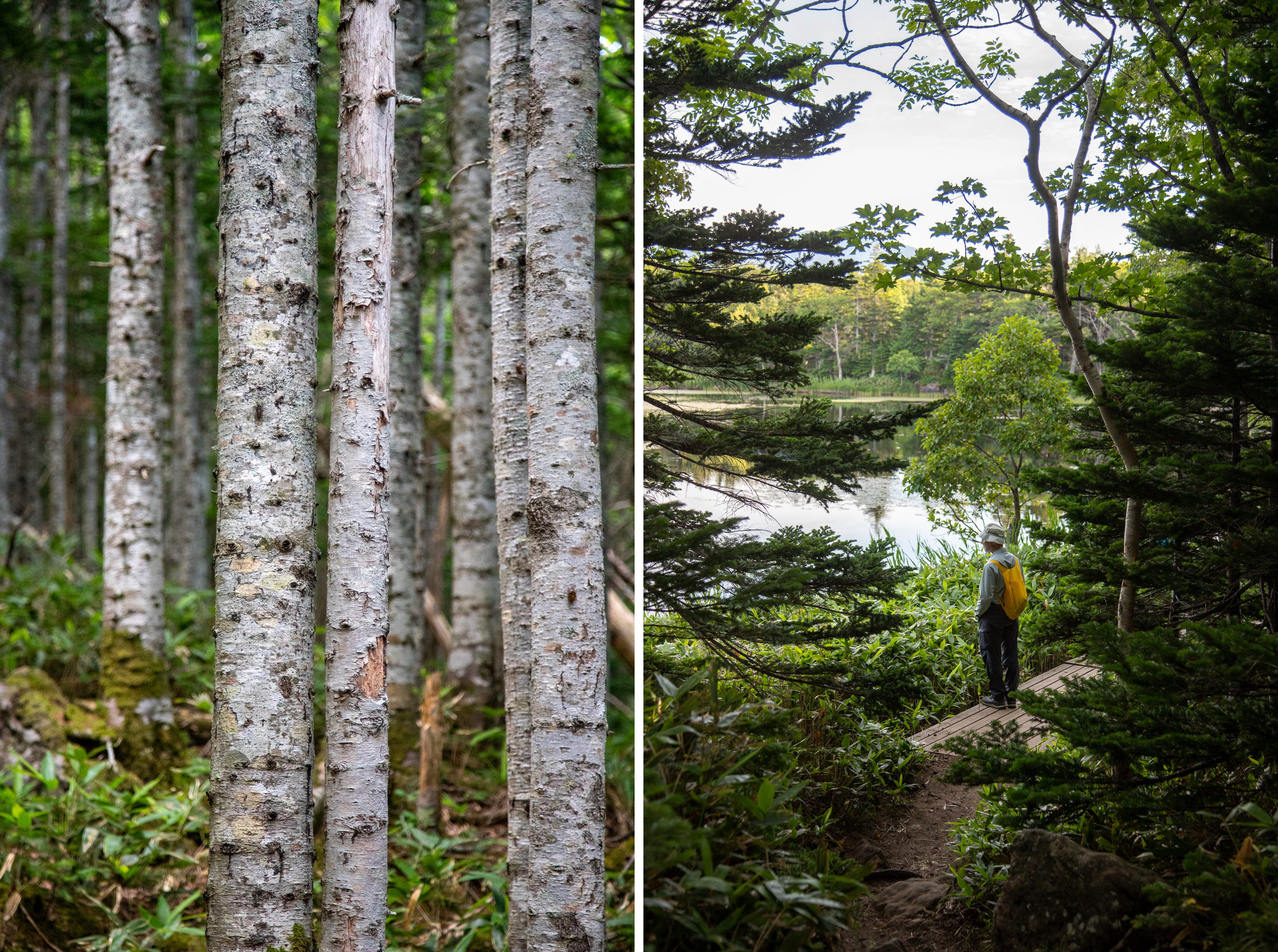
As we left the briefing room, the ranger checked our entry cards one last time. In the daylight, the other man now looked even leaner and fitter than during the movie. He bowed to the ranger, and his bear bell jangled. The Five Lakes loop takes about two hours, on a narrow dirt path through primeval forest of Sakhalin fir, oak, and birch. The understory was so thick there was no room to step aside, and the ranger got me as concerned about the plants underfoot as about the bears. For the first two hundred meters, my mind was all over the place. Should I let him go first as a shield, or should I suggest we walk together? Thus began a dance of politeness, which ended when the man insisted that I indeed should go ahead on my own and then photographed lichen with his Fujifilm camera long enough for me to disappear around the bend.
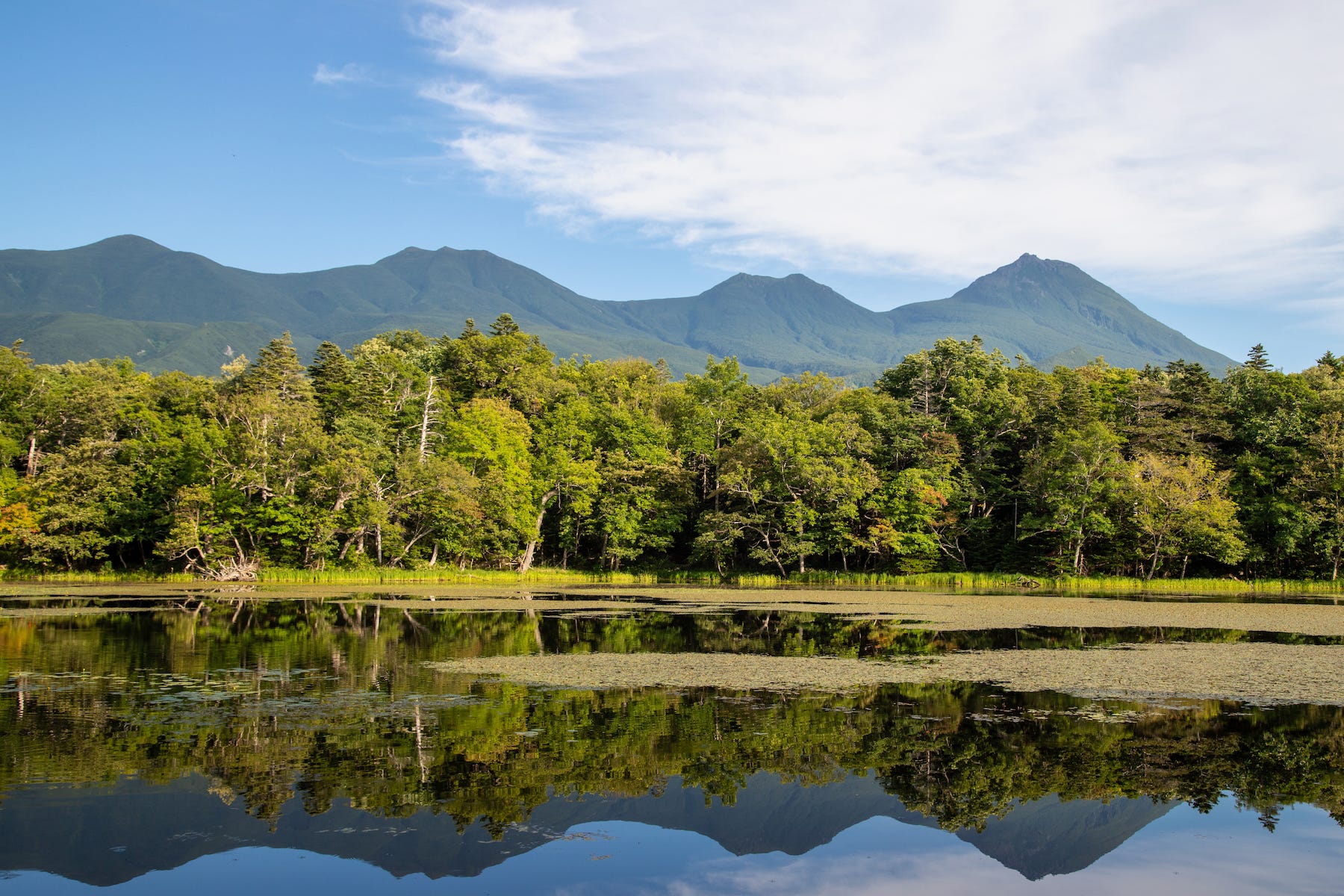
Absent the jingle of the bells, it was quiet but not silent; birds I couldn’t name called to each other over my head, and the forest enveloped me with the damp smell of fir. As I made my way along the trail, the gap between how dangerous I had been told it could be and how peaceful it was played with my mind. The trail itself did something similar, compressing through stands of trees before opening onto lakeside platforms where the mountains hung upside down in the reflection. The forest almost seemed to do everything it could to try to put my mind at ease, down to smelling like the hand wash at a restaurant I couldn’t afford.
As I continued onward, my attention shifted again from the birdsong to a jingle. I was happy that the other man had caught up to me, but as soon as I turned around, it stopped. Confused, I looked down. My hand was in my pocket, fiddling with the coins.
I continued onward, now clapping as instructed when coming around blind corners, following the trail. Somewhere between the third and fourth lakes, I heard a ringing that I knew was not my own. I had caught up to an older Swiss couple. I said hello, and the man replied, “Ah, American.” We chatted briefly, and I wished them well and left them and their bells behind.
That made four of us on the entire ground trail, which is hardly the kind of crowd that Japan as a whole has been experiencing. Shiretoko is hard to get to. Even once you’ve reached Hokkaido, it takes a long time to get here. For a stretch after I left them, the understory got denser until the only sounds were my own footsteps and my breath.
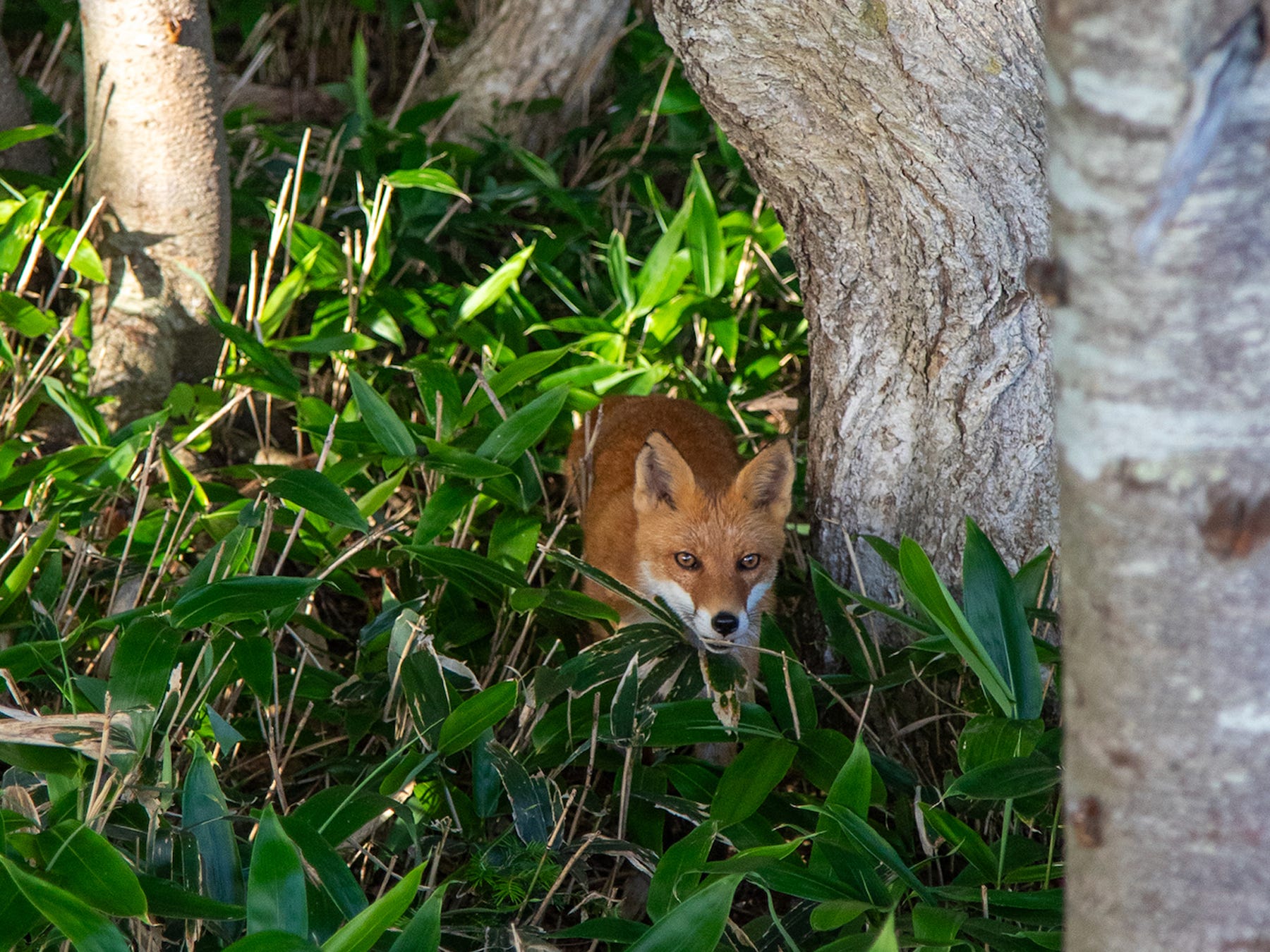
I had stopped clapping at the blind corners when I saw him. He was right in the middle of the trail, watching me. I began to run through the lecture in my head but found nothing on foxes. They had prepared me for bears. We stood there for a while, he and I, looking into each other’s eyes. It’s difficult to say who broke eye contact first, but when we did, he turned and walked down the path ahead of me, stopping after 20 meters to look back like he had something interesting to show me. We continued like this, walking together until the edge of the forest, my hands no longer clutching the coins in my pocket. At the end of the ground trail, as I ascended the steps to the elevated boardwalk that finishes the circuit, he held back and watched me go before diving into the bamboo grass. I stood and watched the bamboo grass sway as he continued forward.
When I returned to the car, I put my camera on the backseat and emptied the coins from my pocket into the cup holder. As the sun dipped low in the sky, I drove out through the park with the windows down, breathing in as much of this place as I could. No other cars were on the road. About 500 meters ahead of me, a brown bear slunk out of the forest, glanced my way, and crossed into the trees on the other side.
The Briefing
If you are planning a trip, the Shiretoko Five Lakes ground trail has two seasons. From May 10 to July 31, the brown bear active period, you can only walk it with a certified guide, on a three hour tour that costs ¥6,000-¥7000 ($40-$47). From the park's opening in late April until May 9, and again from August 1 until it closes in November, you can walk it on your own after a roughly 15-minute lecture. Entry costs ¥450 ($3) for anyone 12 and up.
The full loop is about 3 km and takes 90 minutes to two hours, and it can close on very short notice after a bear sighting. The 800-meter elevated boardwalk to the first lake is free and open all seasons. Check current dates and closures on the official Shiretoko Five Lakes site.
The closest airport is Memanbetsu, about 100 km from Utoro, with flights from Tokyo Haneda in about 90 minutes. From Sapporo, it's a 6 to 7 hour drive. To get around the park you will need to rent a car. Japan requires the International Driving Permit issued under the 1949 Geneva Convention, which you will need before you arrive.
The Rusha Bay cruise leaves from Utoro and runs about two hours. If whales and orcas are your priority, go to Rausu on the other side of the peninsula instead.
If you liked this, there’s more where it came from. Scott Monaco opens a window somewhere new every week —travel essays, photography, cultural observations, and books worth reading. Once a week, sometimes more. Free to subscribe.
I marked that park down on the map, sounds like a worthwhile excursion from Sapporo. I'm intrigued by the solitude of Hokkaido compared with the other islands.
That fox is fantastic! And, man, there's a lot packed into "Ah, American."