


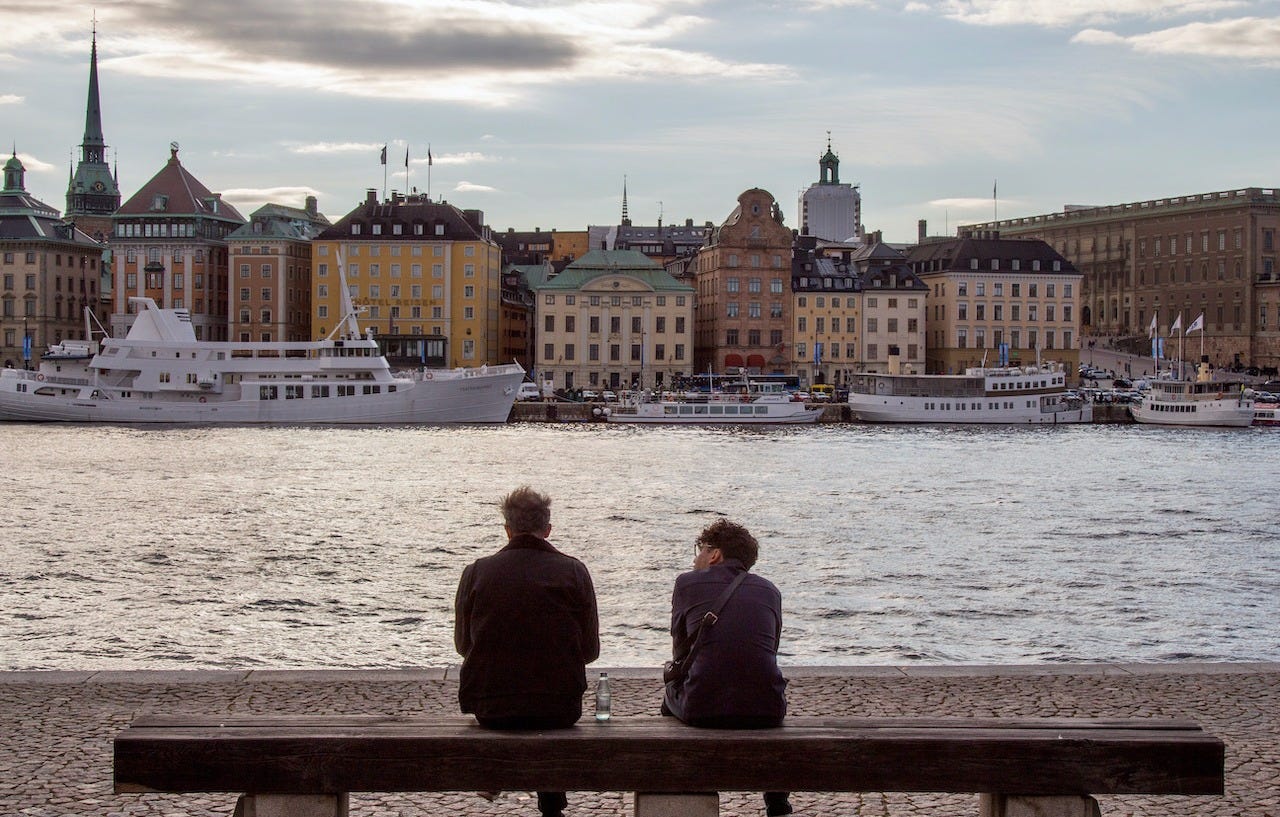
I once recommended a dinner spot in Istanbul to a couple planning their honeymoon. I’d had an excellent experience —one I thought would fit a special occasion. I knew them very well, and I was sure both the food and the view would impress them. After they returned, I asked how it was. “It was good,” the husband said, followed by a quick explanation: it had been near the end of the trip, they were exhausted, and one of them wasn’t feeling well.
Nothing about the restaurant had fundamentally changed. What changed was them.
That’s the part most travel advice doesn’t account for. By the time advice is written or shared, the story is already complete. The version of the traveler who experienced it —well-rested or burned out, curious or overwhelmed, early in the trip or near the end— has been flattened into a clean recommendation. It reads as if the outcome is repeatable. It isn’t.
Ash Bhardwaj offers a useful frame in Why We Travel: there are three distinct types, explorers, travelers, and tourists1, each with its own relationship to a place. He notes these are not fixed identities, but positions we move between. But travel advice always comes from inside one of them. The essay, reel, vlog, or listicle was created in a specific mode under a specific set of conditions. Each assumes you’re arriving in the same one. You rarely are.
Those conditions follow a hierarchy, whether acknowledged or not.
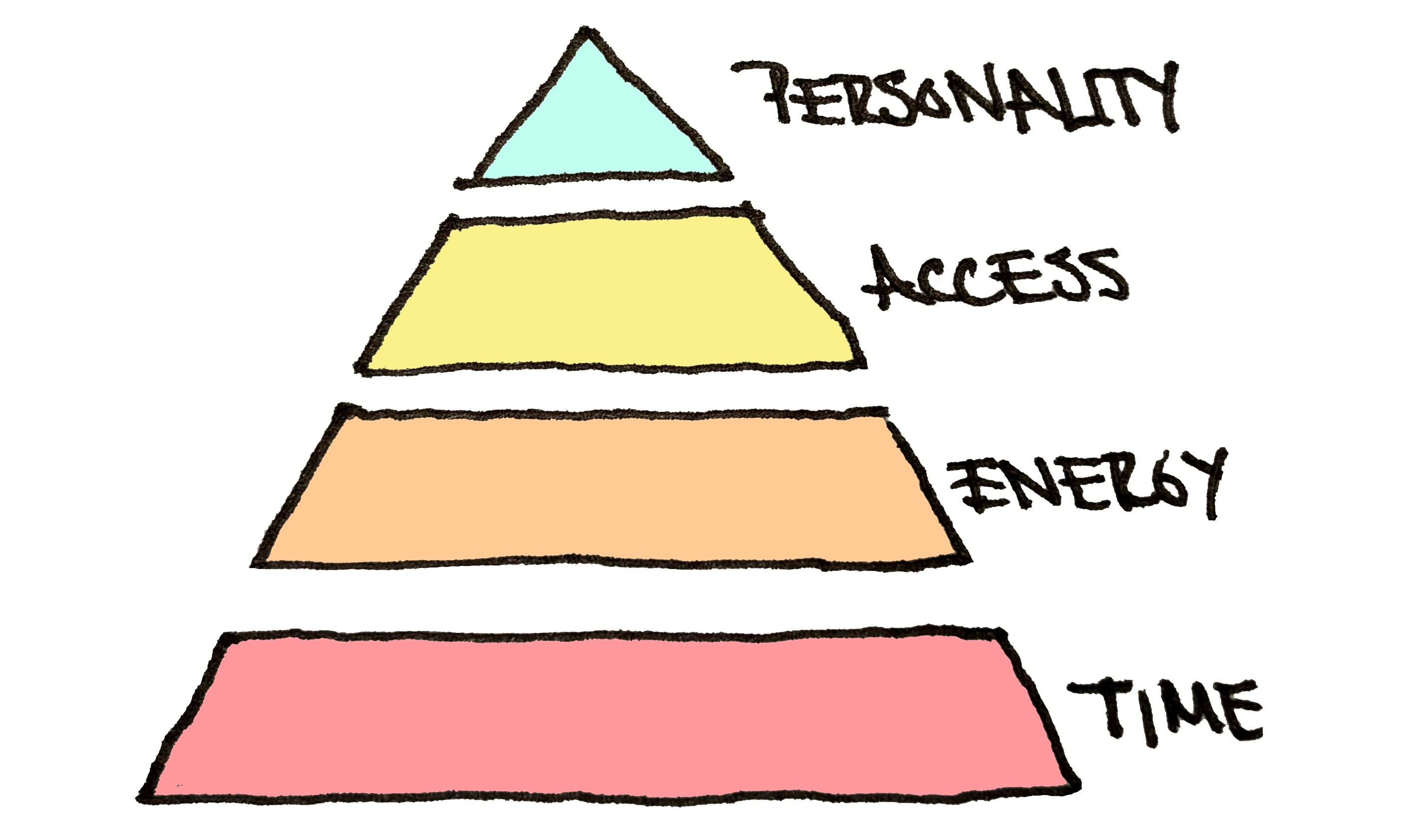
First is time. A three-day trip and a three-month stay are not variations of the same experience; they are different systems entirely. Advice built on open-ended time collapses under constraint. What reads as “wander and see what you find” becomes indecision when the clock is visible. The blogger who spent a month getting lost in a city wrote something very different from what you need with four days and a flight on Sunday.
Second is energy. It's one of the least discussed constraints in travel, and one of the most consequential. Travel advice assumes you arrive the way you felt when you were planning. But the first days of a trip have their own tax: jetlag, unfamiliar beds, and the physical reality of moving through a new place on foot for hours when your body might not be used to doing so at home. The version of you the advice was written for may not show up until day three, if at all. That fatigue accumulates quietly, sometimes sickness arises, and by the end of a trip, it has usually become something else entirely. The Istanbul dinner wasn’t wrong. It just missed on the version of the couple who were sitting there that night.
Third is access —and arguably the least discussed of all, because those who have it rarely notice they do. Language, familiarity, and logistical confidence shape what feels possible in ways advice seldom acknowledges. The same neighborhood that feels alive and navigable to someone with even basic language skills can feel closed off to someone without them — not because anything is hidden, but because the city simply wasn't written for them.
Fourth is personality. Some travelers want friction, others want flow. A full day of back-to-back museums reads as richness to one person and overstimulation to another. Advice tends to assume one default mode, usually high-energy and high-curiosity, and quietly excludes the rest.
The order matters. You can have the right personality for an experience, the right access, the right energy — and none of it matters if you don't have the time.
These variables are not side notes. They determine whether a recommendation works at all. And yet most advice arrives stripped of them, presented as if it exists outside the conditions that produced it.
We keep reaching for it anyway. We don’t just consume travel advice for information —we consume it aspirationally. We select voices that reflect the traveler we want to be, someone who moves through a place with confidence and curiosity, and sees exactly what we too would like to. The mismatch is built in at the planning stage, not the destination.
The person who planned the trip is not the one who takes it.
I’ve felt this directly. Halfway through a trip, looking at everything still on my list, I've recognized that the version of me who built that itinerary had been thinking like a traveler. What I actually needed by then was to operate like a tourist: follow the signs, take the obvious route, and let someone else do the thinking. Not as a failure of ambition. Just as an honest read of what I had left to give. The advice was fine. The plan was fine. I just wasn't the person it was written for anymore.
That’s where advice starts to fail —not because it’s incorrect, but because it gets treated as fixed. It was produced under specific conditions: a particular mode, amount of time, and degree of familiarity. You don’t think: the context was misaligned. You think: I recommended the wrong restaurant. You remember it as a disappointment, without ever tracing it back to the right cause.
The restaurant in Istanbul didn’t fail. The recommendation didn’t fail. The conditions changed.
That’s the only constant.

Ash describes the three types as follows: “Explorers are the curious pioneers who go somewhere that no one has visited before (at least from their from within the explorer’s society or culture). Travellers are inspired by the pioneers’ stories to discover more. And tourists then aspire to replicate travellers’ experiences, through a well-worn path of sanitised discovery.”
A great article Scott.
I think there is another factor in recommendations: the effort required. We spent a wonderful month in the San Lorenzo neighbourhood of Rome a couple of years ago, discovering two great restaurants that we visited at least twice each, and some interesting bars that we were almost regulars in by the time we left Rome.
Would I recommend them to someone staying closer to the centre of Rome? Nope.
They were good, but not 20+ minutes on a crowded bus good, especially when there are plenty of places just as good in every neighbourhood of that city.
Ahhh....this is also why when I revisit a place I might have a completely different experience. Also...this is why I prefer travel stories that stick to first person over advicey pieces littered with "you"s.