


This guide is based on a trip partially supported by Liechtenstein Marketing. All recommendations and opinions are my own.
Why Go to Liechtenstein?
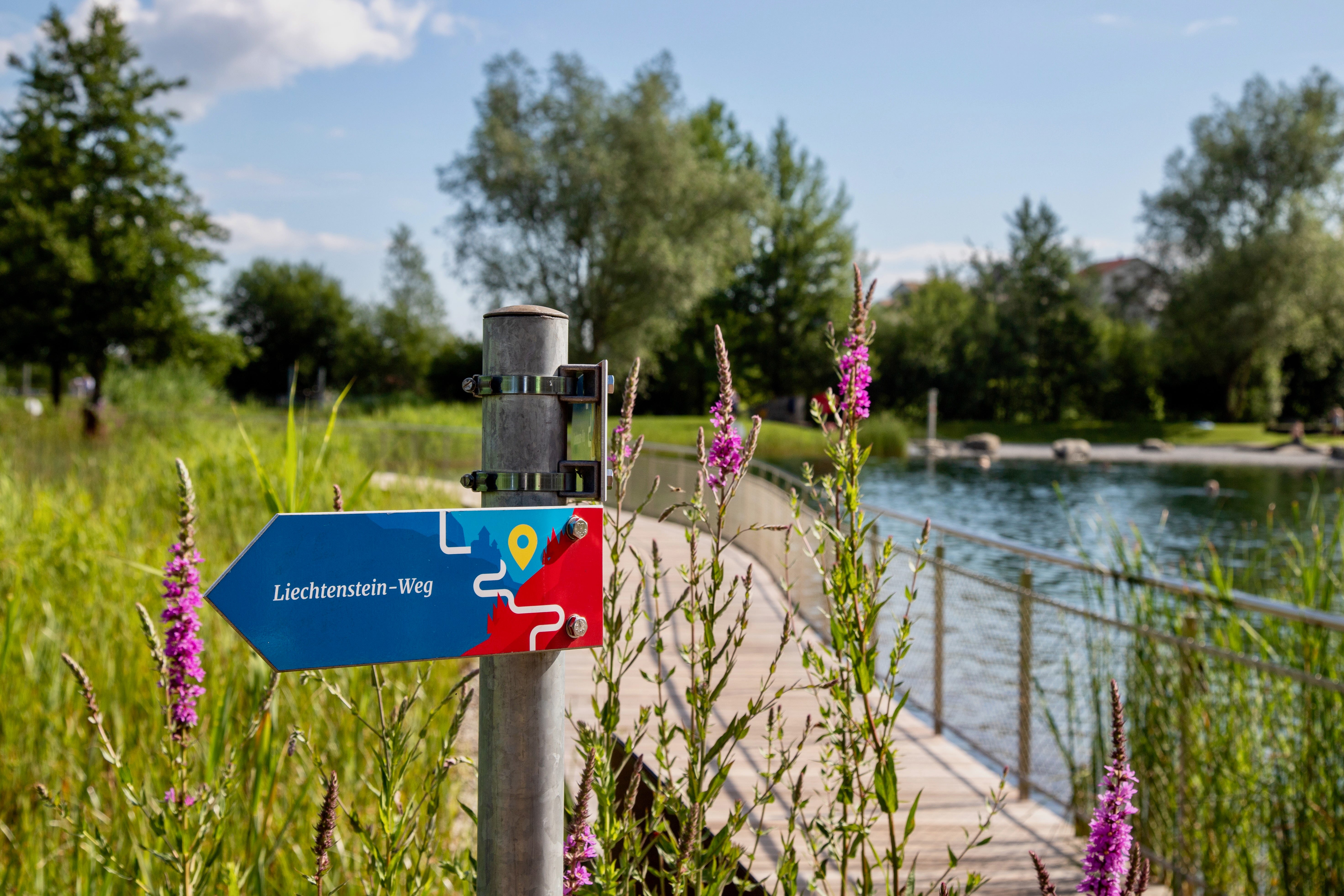
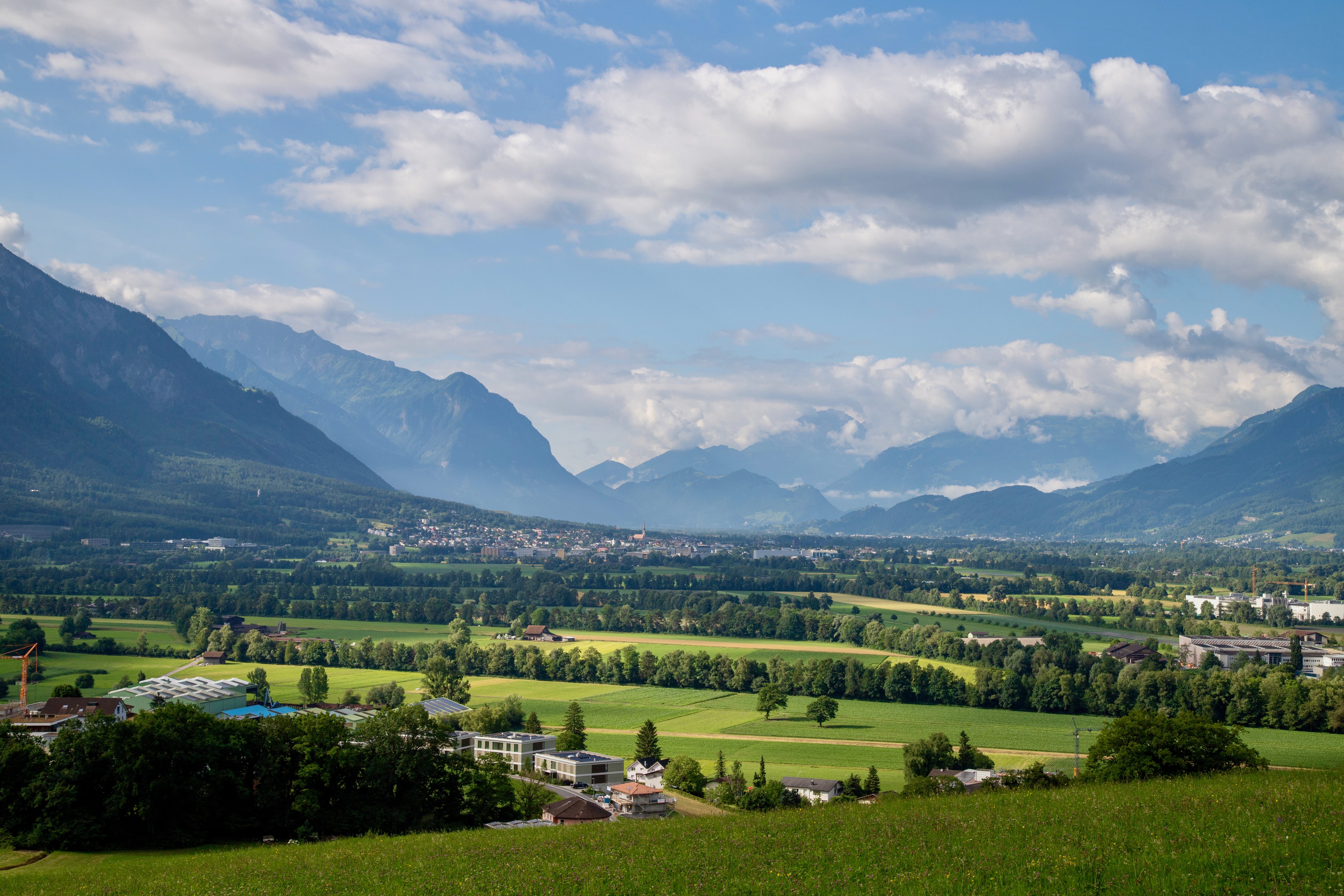
Small in size, generous in detail, Liechtenstein turns what might be a fleeting passport-stamp detour into a place that demands at least a few days of genuine exploration. Nestled between Switzerland and Austria, this alpine principality offers over 400 km of hiking trails, beautiful scenery, a welcoming atmosphere, and a thriving museum scene, all within a few bus stops—or steps along the Liechtenstein Trail.
If you only have three days:
Walk a stretch of the 75 km Liechtenstein Trail (I recommend Triesen to Vaduz)
Take in Vaduz’s castle views and museums
Head up to Malbun for alpine hiking or skiing
The Liechtenstein Trail
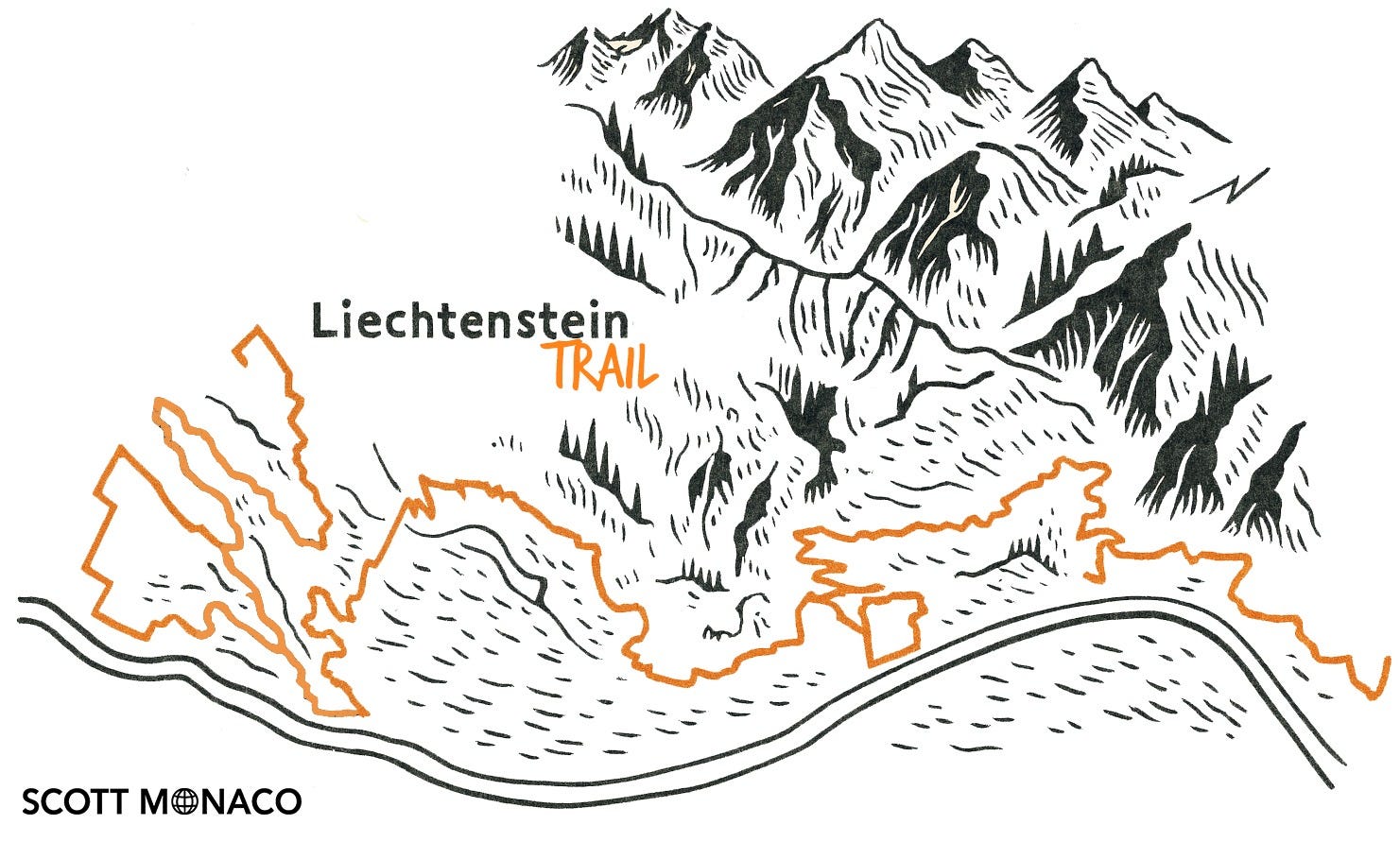
The best way to really experience the country is one step at a time. The trail stretches 75 km, tracing all 11 municipalities from Balzers in the south to Schaanwald in the north, with nearly 150 cultural and historical points of interest along the way. The LIstory app helps bring the trail to life, using GPS to tell stories tied to the villages, castles, and landscapes you pass.
If you want to cover the country in about five days, allowing for time to really experience the country, here’s how I’d break it down (10–20 km each):
Balzers → Triesenberg: the border, Gutenberg Castle, and climb into the mountains.
Triesenberg → Vaduz: alpine views descend into the capital.
Vaduz → Nendeln: vineyards, city life, and forest panoramas.
Nendeln → Ruggell: past churches, farms, and villages
Ruggell → Schaanwald: the northern finish, near the Austrian border.
The trail is less about ticking off kilometers than about slowing down, pausing at villages and viewpoints, meeting locals, and finding small surprises.
You can also bike the Liechtenstein Trail, which follows a slightly different 85 km route from the hike. It’s a rewarding way to see the country from the saddle, combining smooth valley paths with scenic climbs, and it offers a faster but equally immersive way to connect the villages. It can be done via bike or e-bike in around 8 hours.
Maps
Interactive Map of Lichtenstein
Places to Know
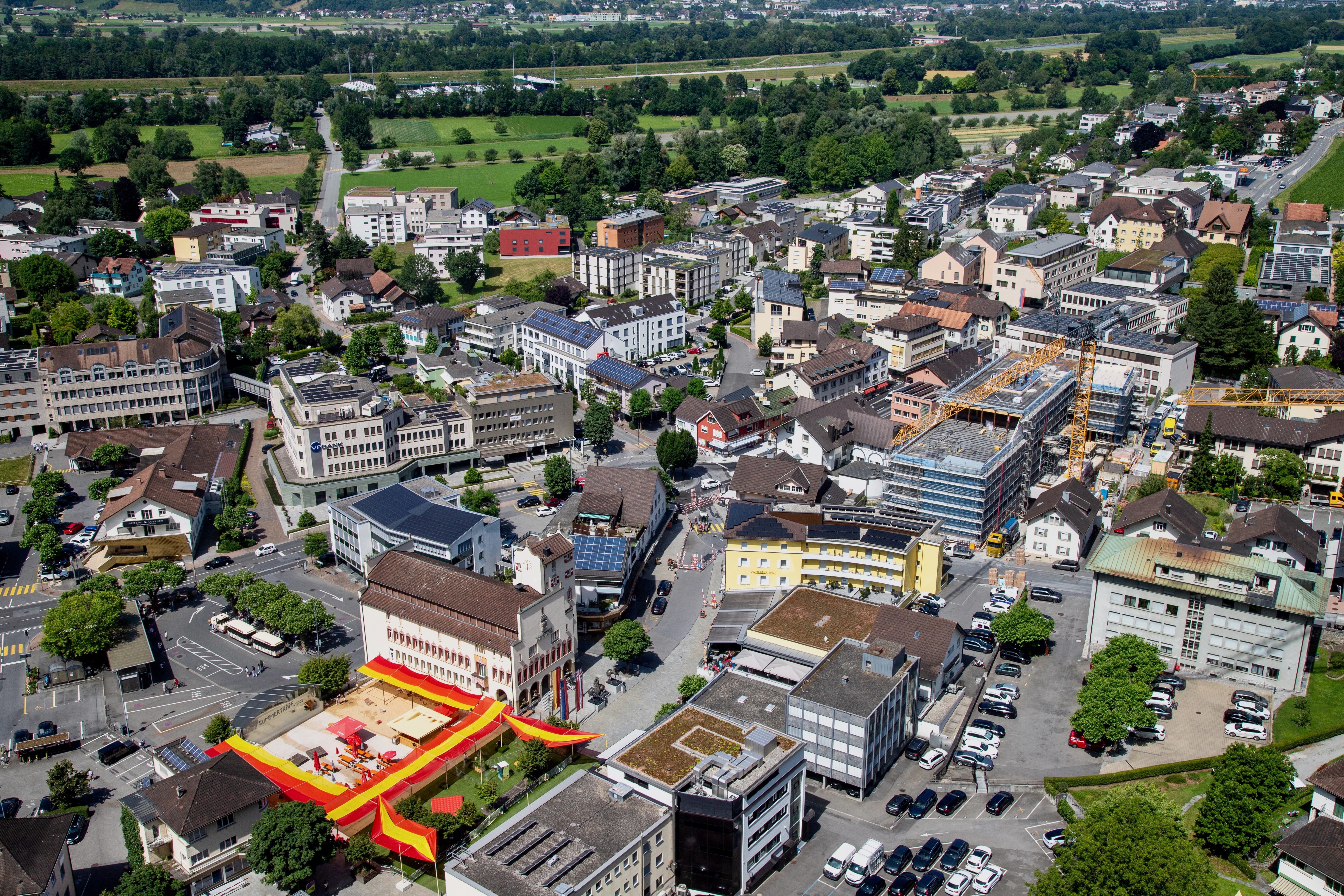
Vaduz – The capital: castle views, lively museum scene, and wine at the Prince’s vineyard.
Triesenberg – Traditional Walser village above the valley, with hiking paths and alpine charm.
Malbun – Skiing in winter, wildflower meadows in summer.
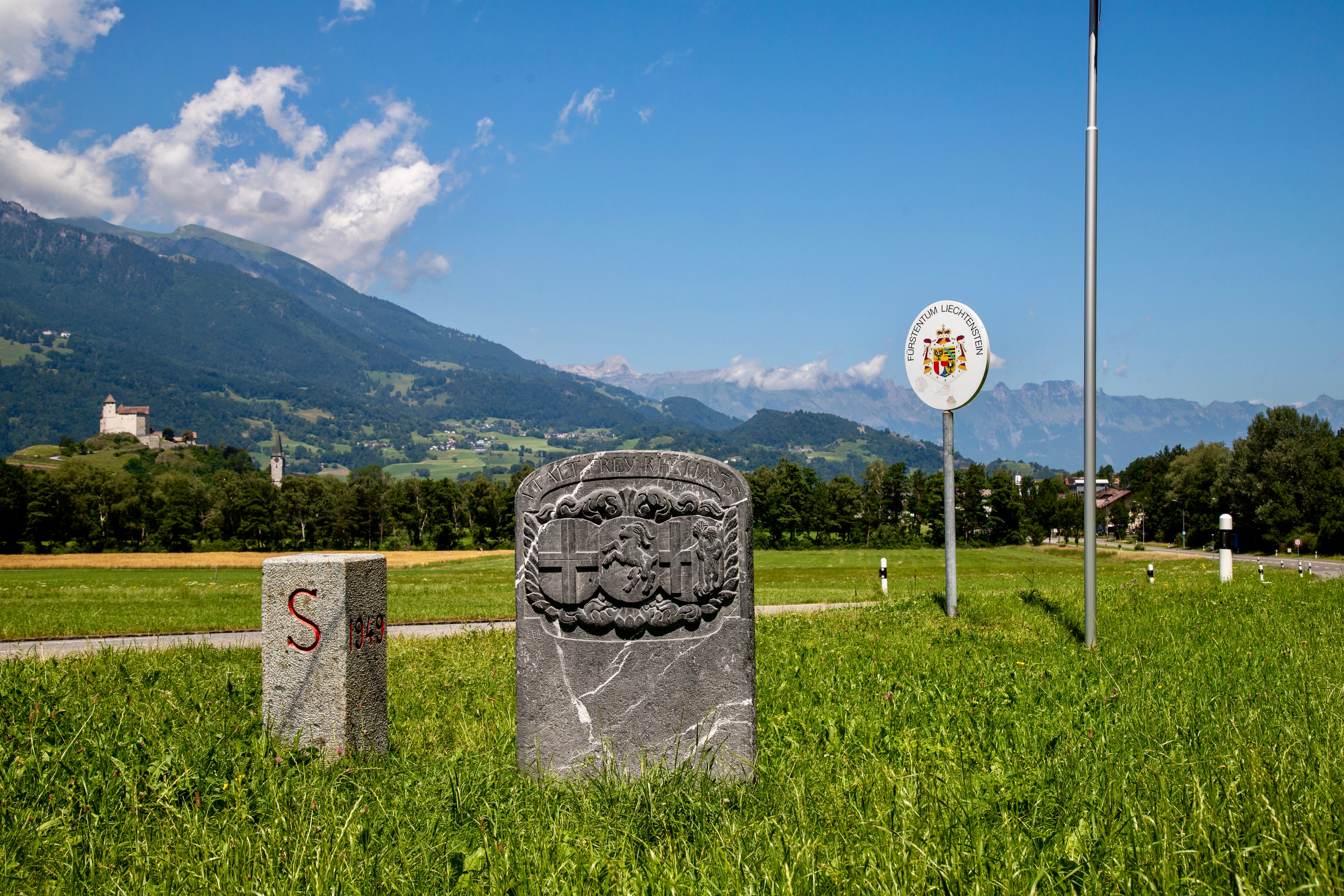
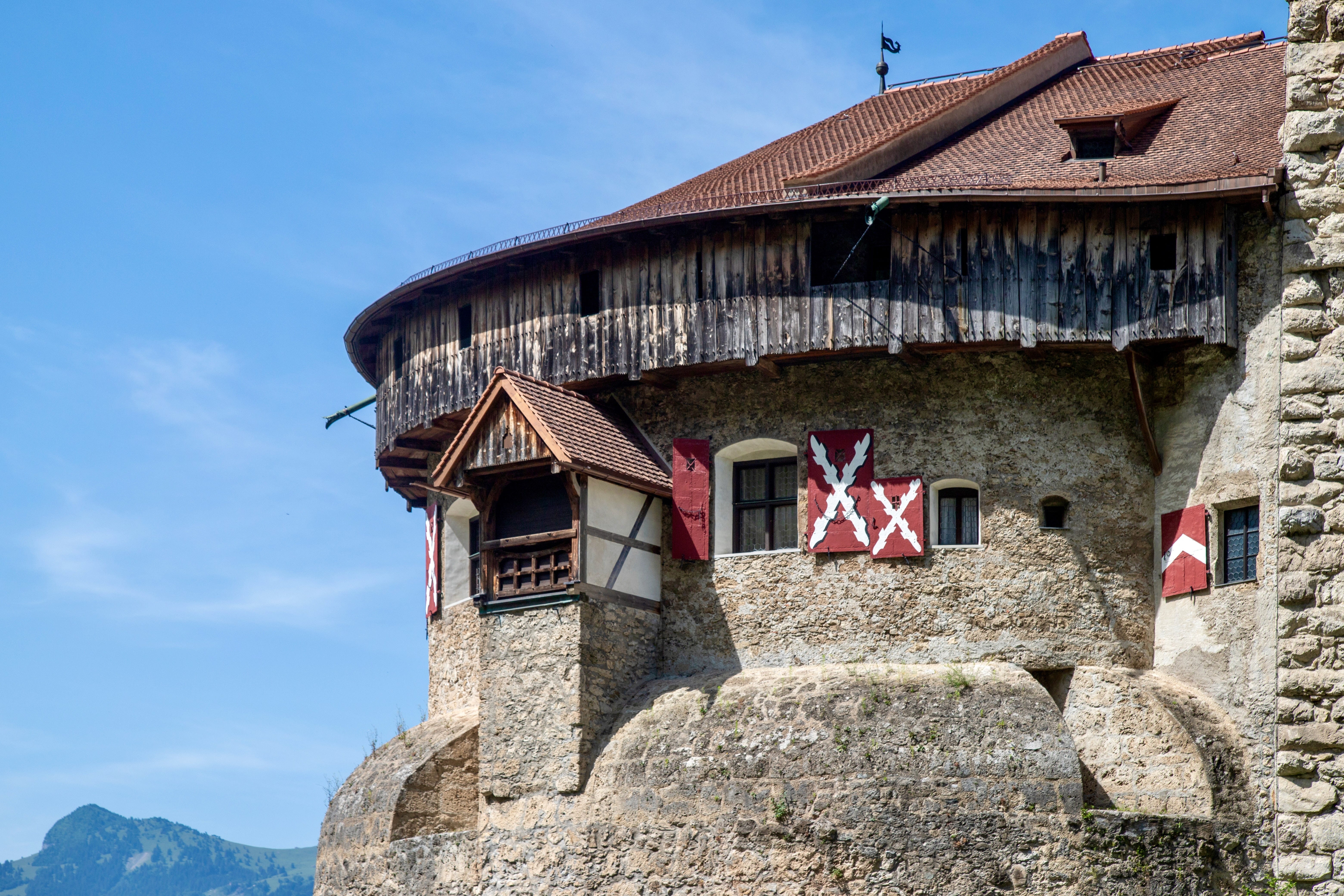
Balzers – Southern gateway to the trail, crowned by Gutenberg Castle.
Practical Guide
Getting There
Liechtenstein has no airport. The nearest hubs are Zurich (115 km) and Innsbruck (180 km).
From Zurich Airport, take the train to Sargans, Switzerland, which sits just outside Liechtenstein’s southern border and near the start of the trail. From there, frequent buses run directly into the country.
Getting Around
LIEmobil buses connect every village; they’re reliable and frequent.
The Adventure Pass includes unlimited public transit, free or discounted museum entry, and free use of e-bikes, depending on the option you choose.
The Liechtenstein Trail is well-marked and very walkable. For multi-day hikes, luggage transfer services are available if you’re changing accommodations.
Where to Stay
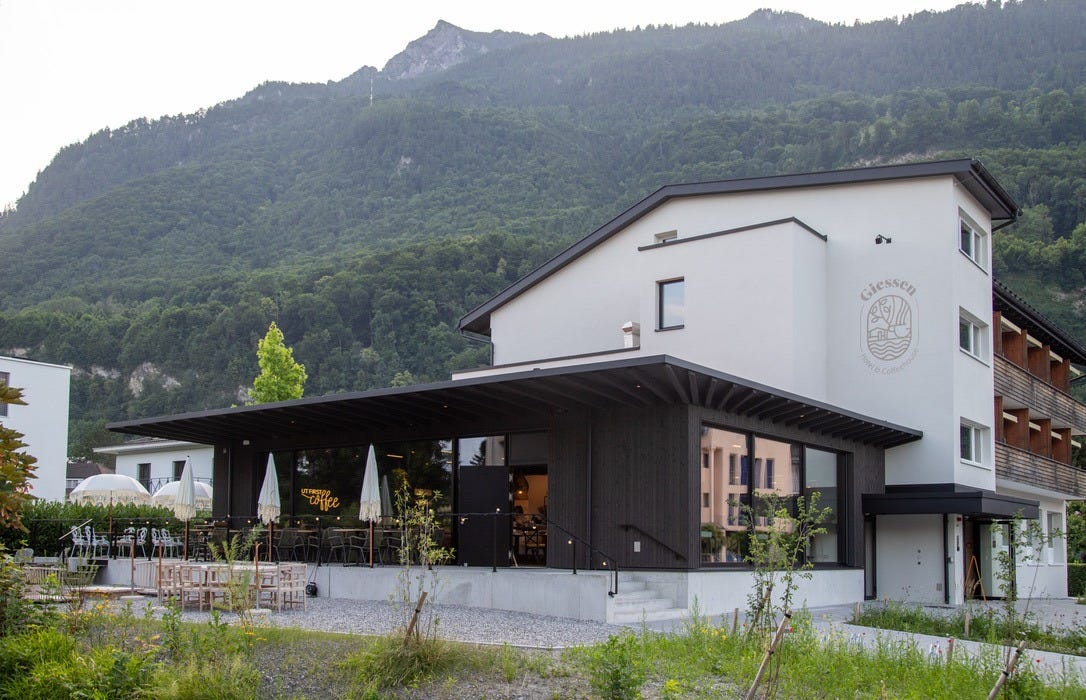
Giessen Hotel & Coffeehouse (Vaduz) – modern style with excellent coffee. Book on Expedia
Landgasthof Rössle (Ruggell) – a family-run guesthouse known for hearty local food.
Hotel TURNA (Malbun) – alpine chalet atmosphere right beside the main ski lift. Book on Expedia
Food & Drink
Gasthof Au (Vaduz): Traditional home-style cooking in one of the region’s oldest taverns.
Giessen Coffeehouse (Vaduz): Excellent choice for breakfast or lunch.
Landgasthof Rössle (Ruggell): Don’t miss the national dish, Käsknöpfle (cheese dumplings with fried onions).
Demmel Kaffee (Schaan): A specialty café run by a trained coffee sommelier.
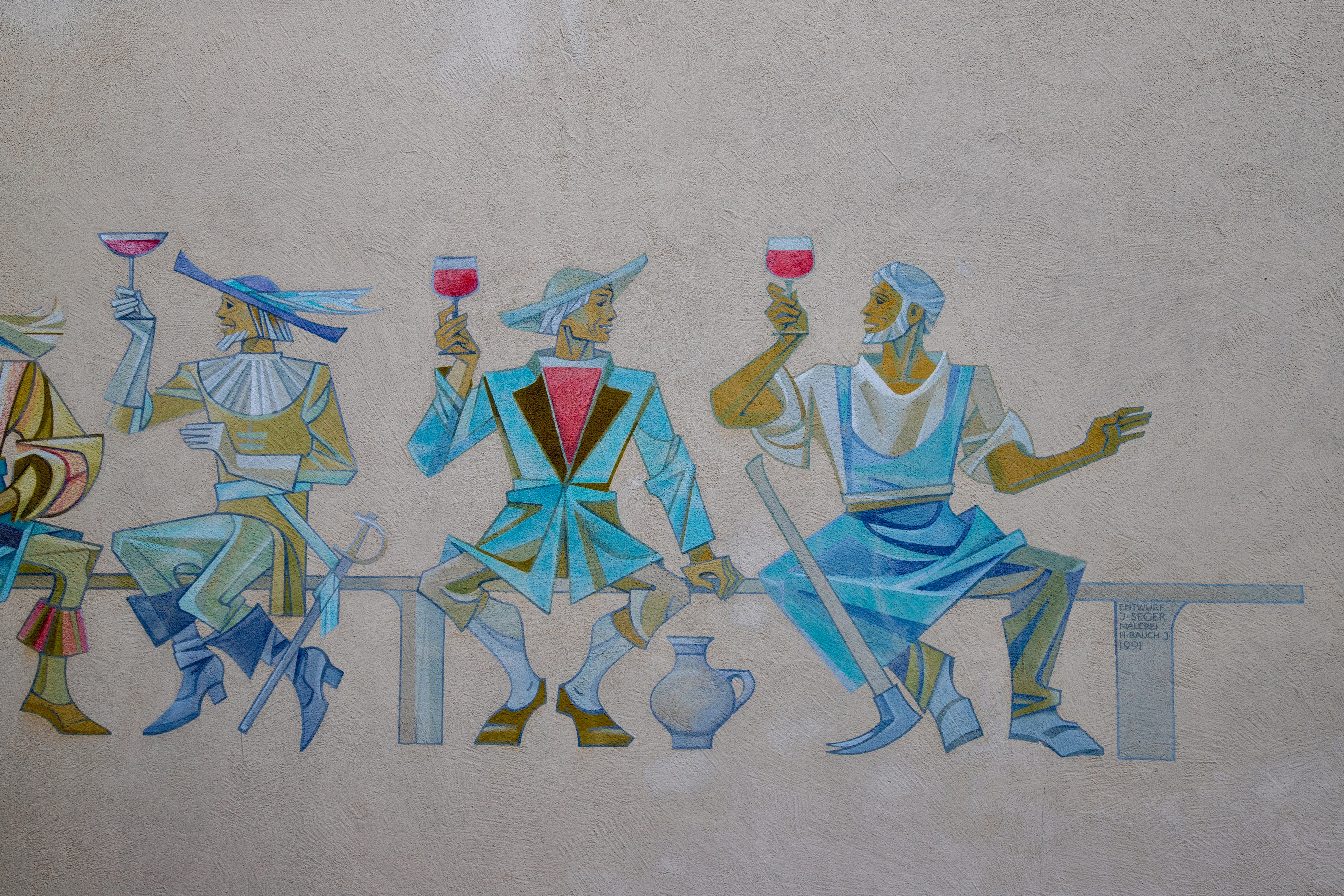
Prince of Liechtenstein Winery (Vaduz): Taste Pinot Noir and Chardonnay from the princely vineyards, with views up to Vaduz Castle.
Tip: Many hotels will prepare takeaway lunches for days on the trail.
Museums & Culture
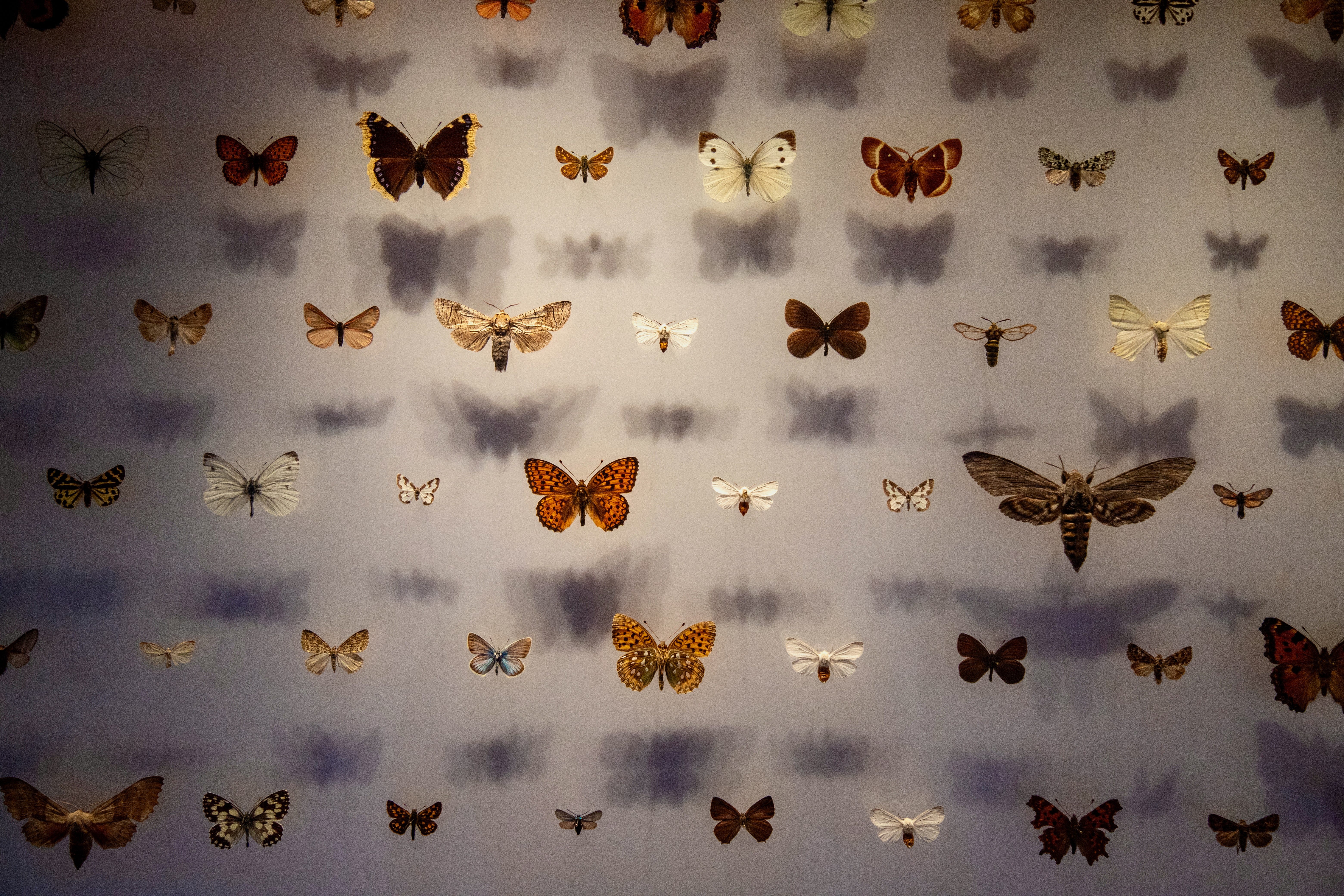
Liechtenstein National Museum: History, culture, and natural heritage under one roof.
PostMuseum: Surprisingly engaging, showcasing the country’s iconic stamp designs.
Kunstmuseum Liechtenstein: A striking modern building housing international and local contemporary art.
Schatzkammer Liechtenstein: Crown jewels, lunar rocks, and other treasures (entry requires a token from the National Museum).


Shopping
Lagederhof (Vaduz): Antique shop in Vaduz—pull up a chair with Herbert and browse local finds.
Lama- & Alpakahof (Triesenberg): Farm shop with a variety of food and handicraft products.
Birkahoflädile (Mauren): Self-service farm shop selling seasonal produce and crafts made in HPZ’s vocational workshops for people with disabilities.
When to Go
Spring–Fall: Ideal for hiking and trail stages, though some sections can be hazardous in rain or lingering snow.
Winter: Malbun transforms into a ski resort with family-friendly slopes.


I Spy
On the trail, it’s not just castles and mountain views. Keep an eye out for the small, curious details that make Liechtenstein feel alive:
Robo-lawnmowers
Statues of men peering through binoculars
Basketball hoops
Insect “hotels” built into wooden frames
Community fountains
A Little History & Culture
Liechtenstein is Europe’s sixth-smallest country, home to about 40,000 people. A constitutional monarchy, it has been ruled by the princely family for over 300 years. Neutral, double-landlocked, and often overlooked, its identity balances alpine tradition with modern prosperity. The heart of the country still beats in its small villages, tight-knit and unhurried.
Quick Facts
Currency: Swiss Franc (CHF)
Language: German
Population: ~40,000
Fun Facts
Liechtenstein is one of only two double-landlocked countries in the world (Uzbekistan).
Liechtenstein is the world’s largest producer of false teeth.
Every year on August 15, the Prince invites the entire country to a garden party at Vaduz Castle.
Liechtenstein has more registered companies than citizens.
Switzerland has accidentally invaded the country multiple times during military exercises and had to apologize…
Liechtenstein does not have a military, so naturally, its counterattack is to offer directions.
Final Thoughts
Liechtenstein isn’t a place to “check off” with a passport stamp. It’s a country best discovered slowly: walking between its villages, chatting with locals, lingering in museums, and enjoying a hearty meal. Whether you cover just a stage or complete the full 75 km Liechtenstein Trail, chances are you’ll leave with more than you expected.
For the full story of my walk across the country —including robo-mowers, llamas, and conversations with locals— read my companion essay: Across a Country on Foot. 🇱🇮
If you liked this, there's more where it came from. Nothing to Declare opens a window somewhere new every week —travel essays, photography, cultural observations, and books worth reading. Once a week, sometimes more. Free to subscribe.
If you’d prefer to support through photography, I also sell prints. And if you spot a photo in a story that you like and isn’t listed, just reach out. I’m happy to do special runs at no extra cost.