


This guide is based on a trip partially supported by the Zimbabwe Tourism Authority. All recommendations and opinions are my own.
Why Go to the Eastern Highlands?
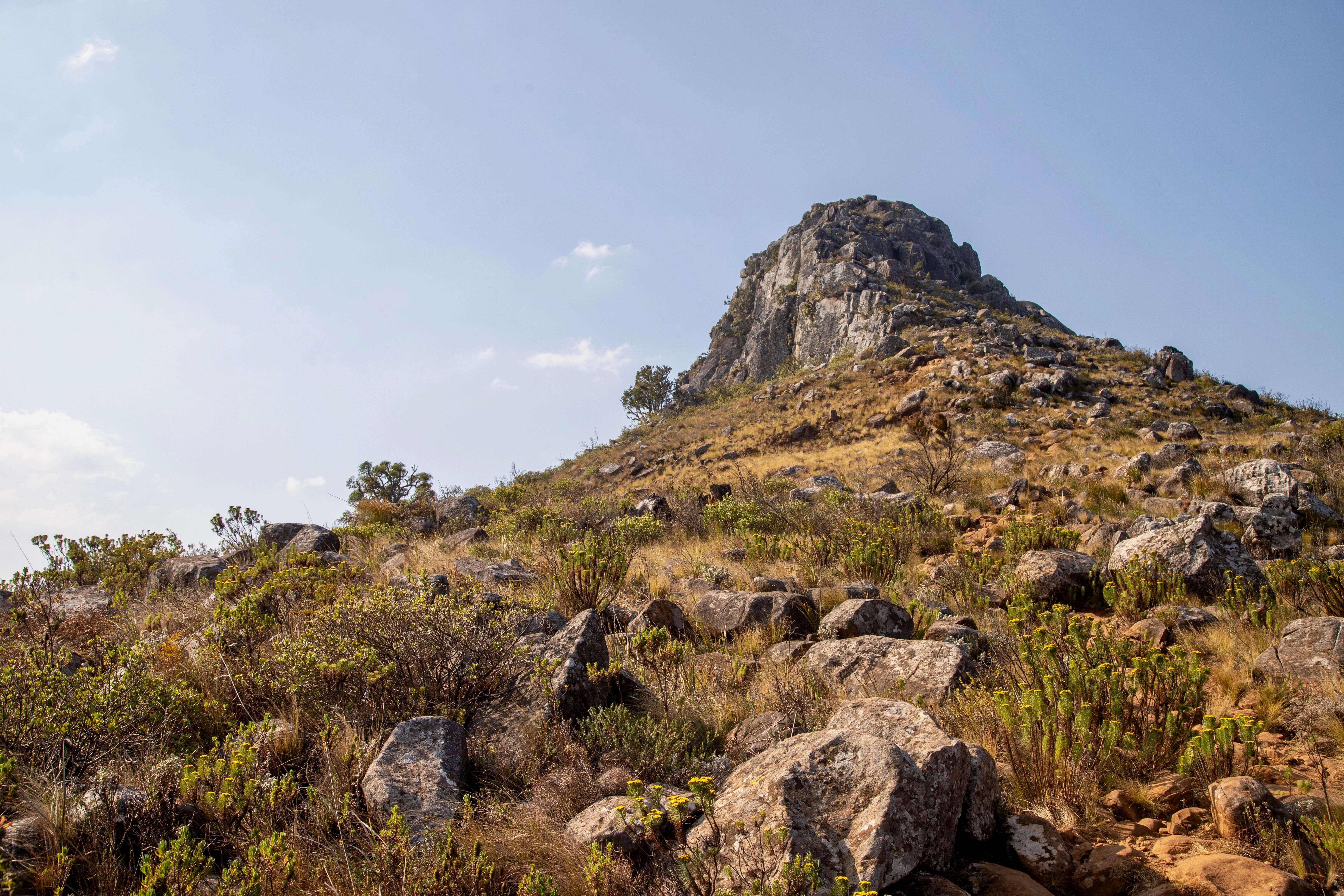
Zimbabwe’s Eastern Highlands offer a completely different side of the country from the thundering Victoria Falls or the safaris of Hwange National Park. Mountains, tea estates, trout-filled rivers, and quiet valleys that feel worlds away from the rest of the continent. It’s a region where classic old lodges sit alongside boutique retreats with long views and a slower pace.
If you only have a few days:
The Eastern Highlands are spread out, so travelers are better served choosing a single base rather than trying to cover the entire region.
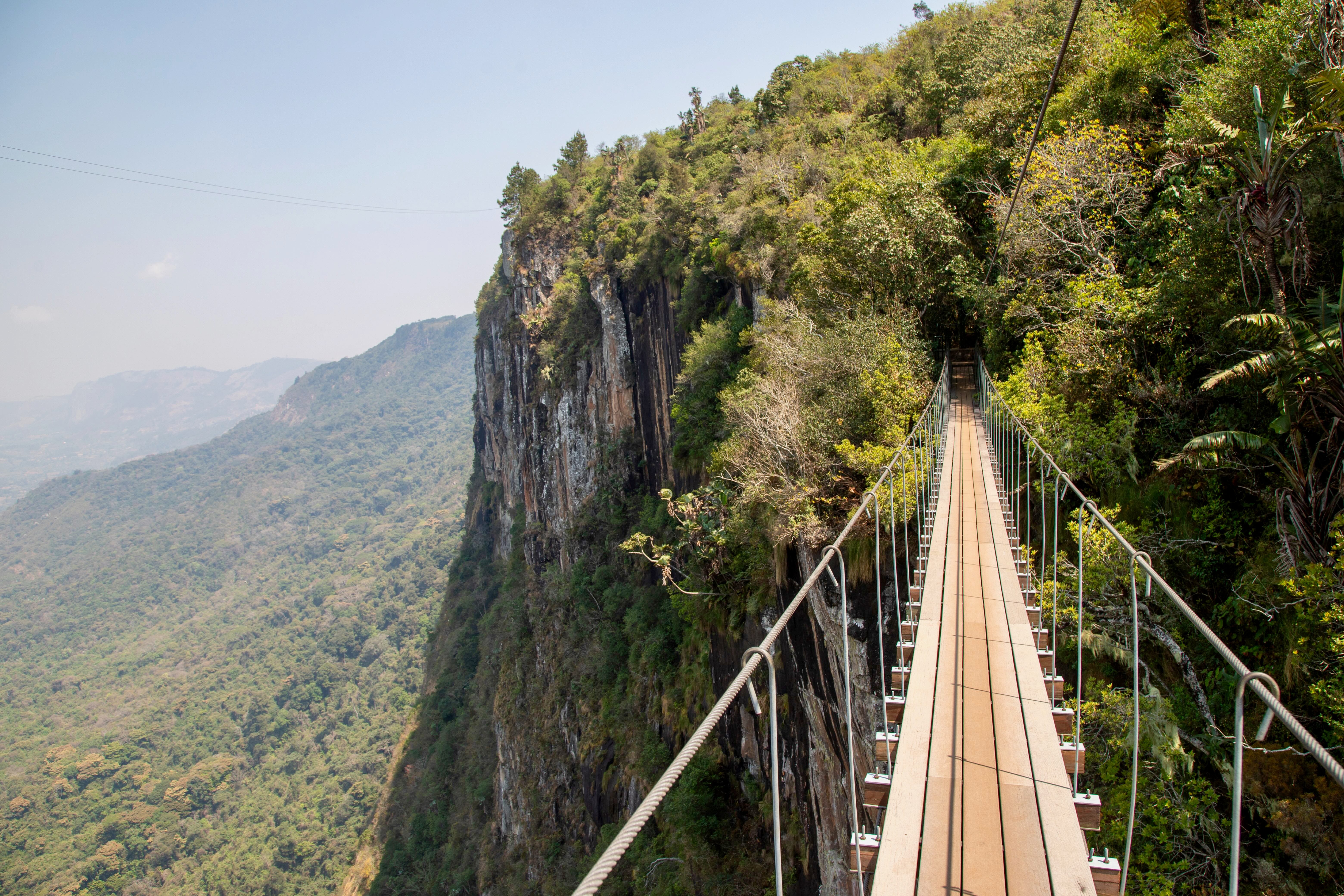
Visit Mtarazi Falls and walk the Sky Walk, two of the most dramatic experiences in the Highlands.
Take in one of the major viewpoints —either World’s View or climb Mount Nyangani, the highest peak in Zimbabwe— for a sweeping look at the Eastern Highlands.
Spend time in Mutare for a deep dive into the local community and its up-and-coming art scene.
Maps
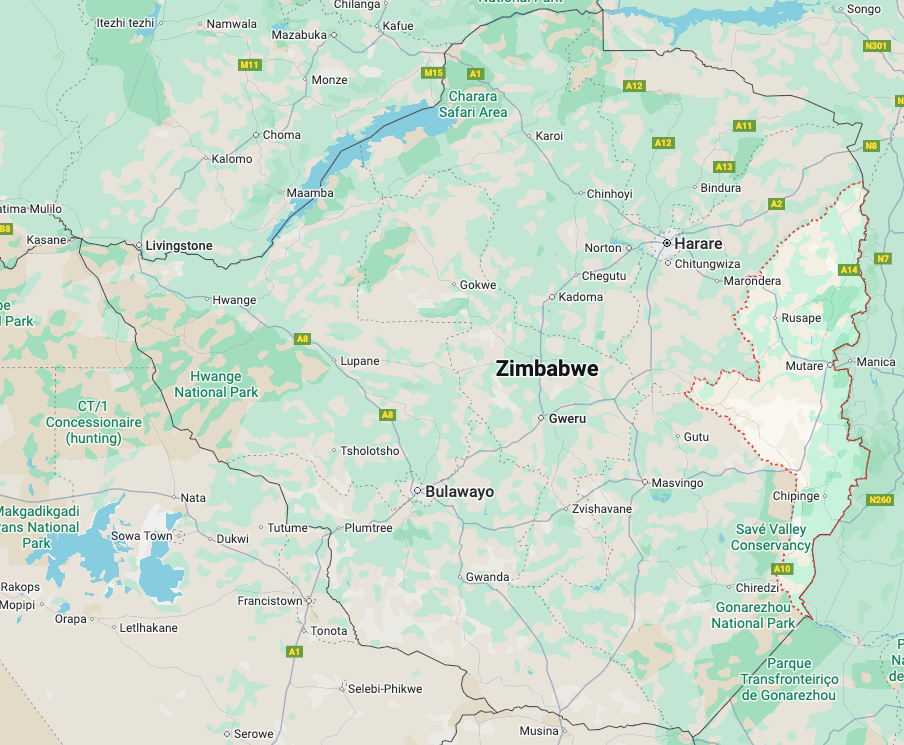
Places to Know
Mutare – Main city of the Highlands; views, cafes, and local culture.
Nyanga National Park – Highlands, rivers, and major viewpoints. Mount Nyangani is a beginner-friendly, three-hour guided ascent; World’s View requires no climb at all.
Mtarazi Falls – Zimbabwe’s tallest waterfall and the Sky Walk.
Vumba Mountains – Gardens, birding, and forest hikes.
Honde Valley – Tea estates and rural mountain scenery.
Getting There
Most travelers reach the Eastern Highlands by road from Harare, a scenic 3–4 hour drive to Mutare. A recommended stop is the Harare–Mutare Halfway House, which has excellent food and is an almost equidistant break on the journey.
A new Harare–Mutare flight on Air Zimbabwe has also begun operating; the author was on the third such flight. It’s the fastest way into the region and ideal if time is limited. Arrange a pick-up from your lodging or rental car company if you do this.
Getting Around
A rental car is essential, and a 4x4 is recommended for comfort and flexibility. Roads are generally quiet and scenic, but distances between areas are long. Some lodges can arrange a car and driver for day excursions if you prefer not to self-drive. Local firms like Impala often offer better value than global brands, while international companies are also available at Robert Mugabe International Airport in Harare. In all cases, check vehicle condition, confirm insurance, and inspect for wear if you plan to drive on rough or unpaved roads.
Weather & Timing
The Eastern Highlands are cooler than most of Zimbabwe because of their elevation. Temperatures are generally 50–75°F (10–24°C), with warm days and cool nights year-round. The region has a distinct dry season with clear skies and a rainy season that turns the valleys green and feeds the waterfalls.
Money & Connectivity
eSIMs rarely work reliably in Zimbabwe. The author tested several providers with poor results. Buying a local SIM at the airport is strongly recommended. Econet offers the best coverage in the country and performs especially well in the Highlands. USD cash is widely used, though lodges and other businesses may accept cards.
Where to Stay
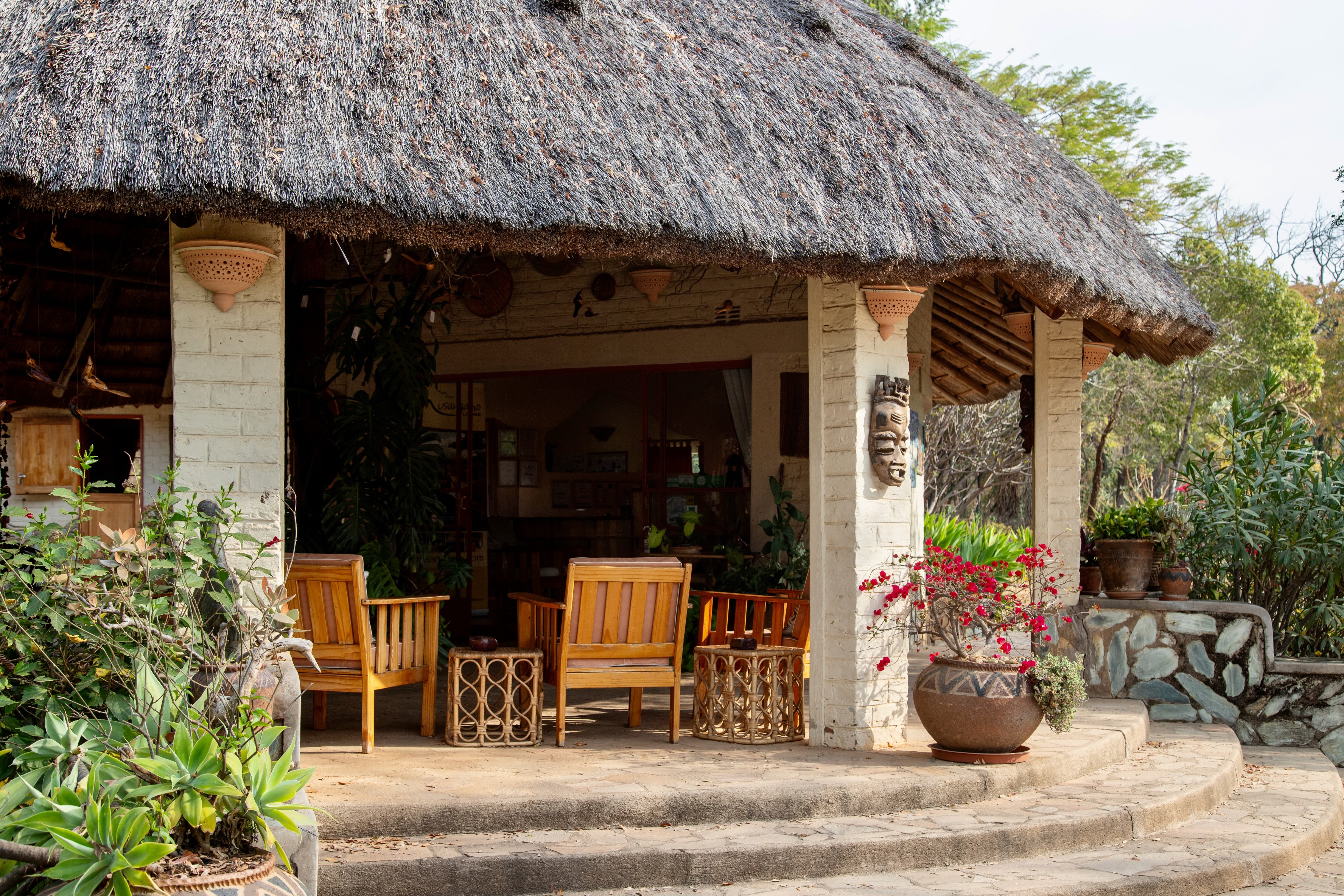
Musangano Lodge (near Mutare) – A tranquil hillside lodge with spacious cottages and hotel-style rooms, warm and attentive staff, and on-site hiking trails. It’s a peaceful base with good food and thoughtfully arranged day trips that help visitors engage with the people and landscapes of the Eastern Highlands. Book on Expedia
Ubuntu Backpackers (Mutare) – Budget-friendly and social, with a downtown Mutare location that’s convenient for shops and transport. Popular with hikers and overland travelers looking for a simple, central stay.
Holiday Inn (Mutare) – A standard chain hotel offering predictable comfort in the heart of Mutare, with modern rooms, reliable Wi-Fi, and easy access to city amenities. Book on Expedia
Skydeck Mountain Retreat (Nyanga) – A luxe, quiet escape overlooking the Nyanga highlands, with wide decks made for slow afternoons and sunset toasts—just as Clarkson and May did in their final Grand Tour special. Ideal for views and easy access to Nyanga National Park and Mtarazi Falls.


Food & Drink
PaMuchakata Restaurant (near Mutare) – The restaurant at Musangano Lodge (noted above) serves Zimbabwean home-style dishes with fresh, locally sourced ingredients. They also feature a braai/barbecue with a wide range of grilled meats, salads, and homemade sides, all in a relaxed, hillside setting.
Tony’s Coffee Shop (Vumba) – A Highlands classic known for excellent cakes, tea, and coffee, served in a quiet garden setting overlooking the Vumba slopes.
Froggy Farm Store & Cafe (Juliasdale) – Small farm cafe offering light meals, baked goods, and a peaceful outdoor setting on a working property.
Bolima Family Restaurant (Mutare) – Casual, family-friendly restaurant serving a range of Zimbabwean and continental meals at affordable prices downtown Mutare.
Nyamoro Dairy Tea Garden (Nyanga) – Farm-based tea garden offering fresh dairy, homemade snacks, and simple meals. A relaxed stop when exploring the Nyanga area.
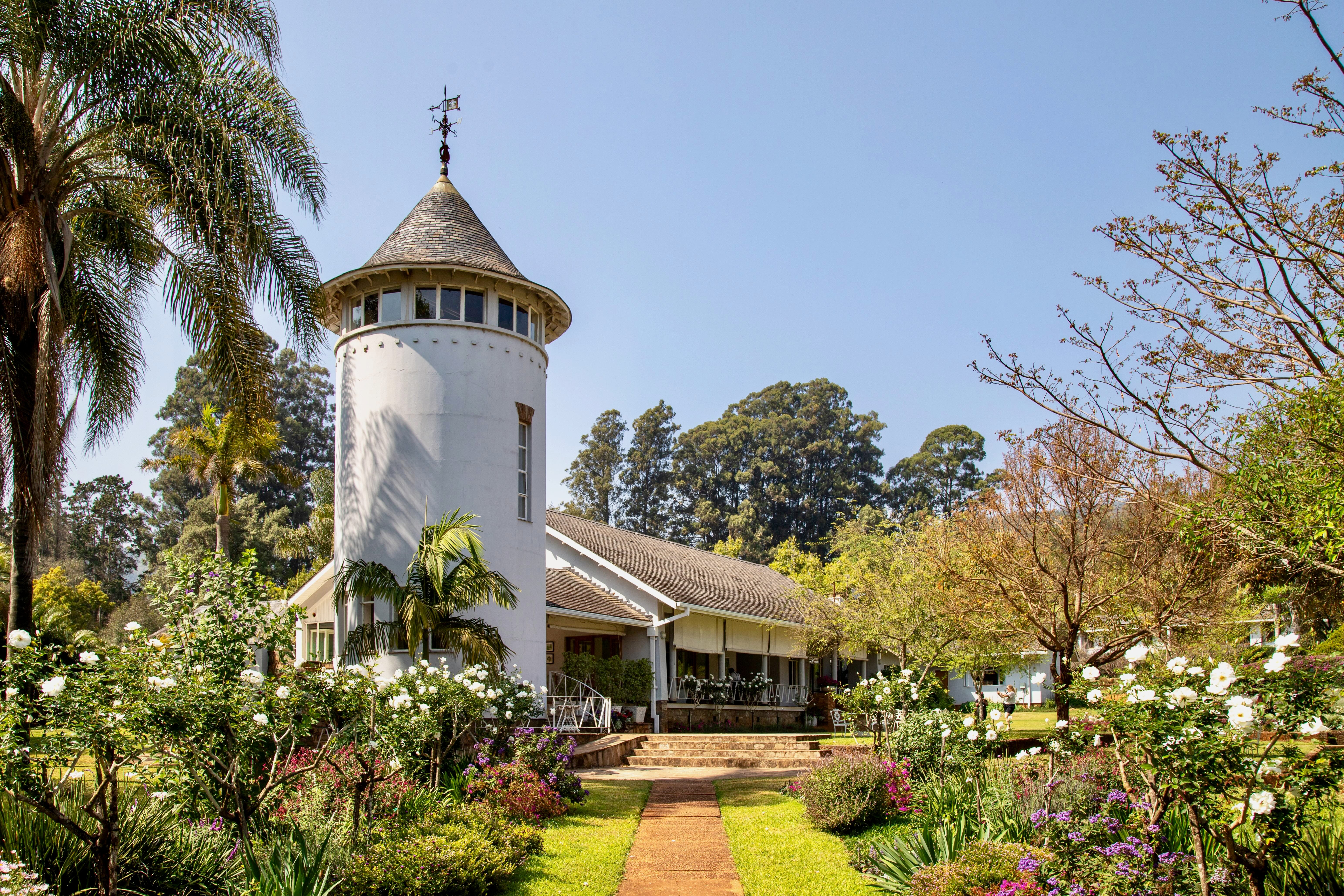
La Rochelle Country House (near Mutare) – Classical cuisine served Thursday–Sunday in a historic garden estate, with tranquil views over the property’s botanical grounds.
Museums & Culture
MutARE Tales Art Collective (Mutare) – A contemporary arts group showcasing local painters, sculptors, writers, and performers. They host occasional exhibitions and community events and are one of the best places in the region to engage with current Zimbabwean creativity. They keep an up-to-date event schedule on their website.
Aberfoyle Tea Estate & Factory Tour (Honde Valley) – Visitors can watch tea being harvested on steep slopes, and you can tour the factory to see how tea is processed, finishing with an estate-tea tasting.
Local Experiences via Musangano Lodge (near Mutare) – Musangano partners with local groups to organise walks, craft sessions, and visits to small farms, offering insight into everyday life in the Highlands.
Shopping
If you’re looking for something local to bring home, the Eastern Highlands has a few easy picks: Highlands-grown tea and small soapstone or wooden carvings. Honde Valley teas are sold in supermarkets and local shops, while roadside vendors around Mutare and the Vumba offer handmade crafts in small quantities. Quality varies, but prices are fair, and negotiations are friendly.
Froggy Farm Store & Café (Juliasdale) – A small farm shop selling homemade jams, preserves, and bagged coffee is also good for simple, locally made take-home items.
When to Go
Dry season (May–August): Best for hiking, clear views, and comfortable temperatures.
Hot season (September–November): Warmer, with occasional afternoon storms.
Rainy season (December–March): Lush and beautiful, with strong waterfall flow, but expect muddy trails and slower travel.


I Spy
In the Eastern Highlands, it’s not just about the scenic landscape. Look for the small details that identify this region:
The “WELCOME TO MUTARE” hedge, trimmed into the hillside below Christmas Pass.
Street-side ID-photo booths and document-stamp vendors, offering instant portraits and certified-copy stamps.
The Raising Environmental Awareness mural in Mutare (by local art collective MutARE Tales).
Old Zimbabwean banknotes, from millions to trillions, sold as collectibles.
Samango monkeys with white tufted collars moving along forest edges.
A Little History & Culture
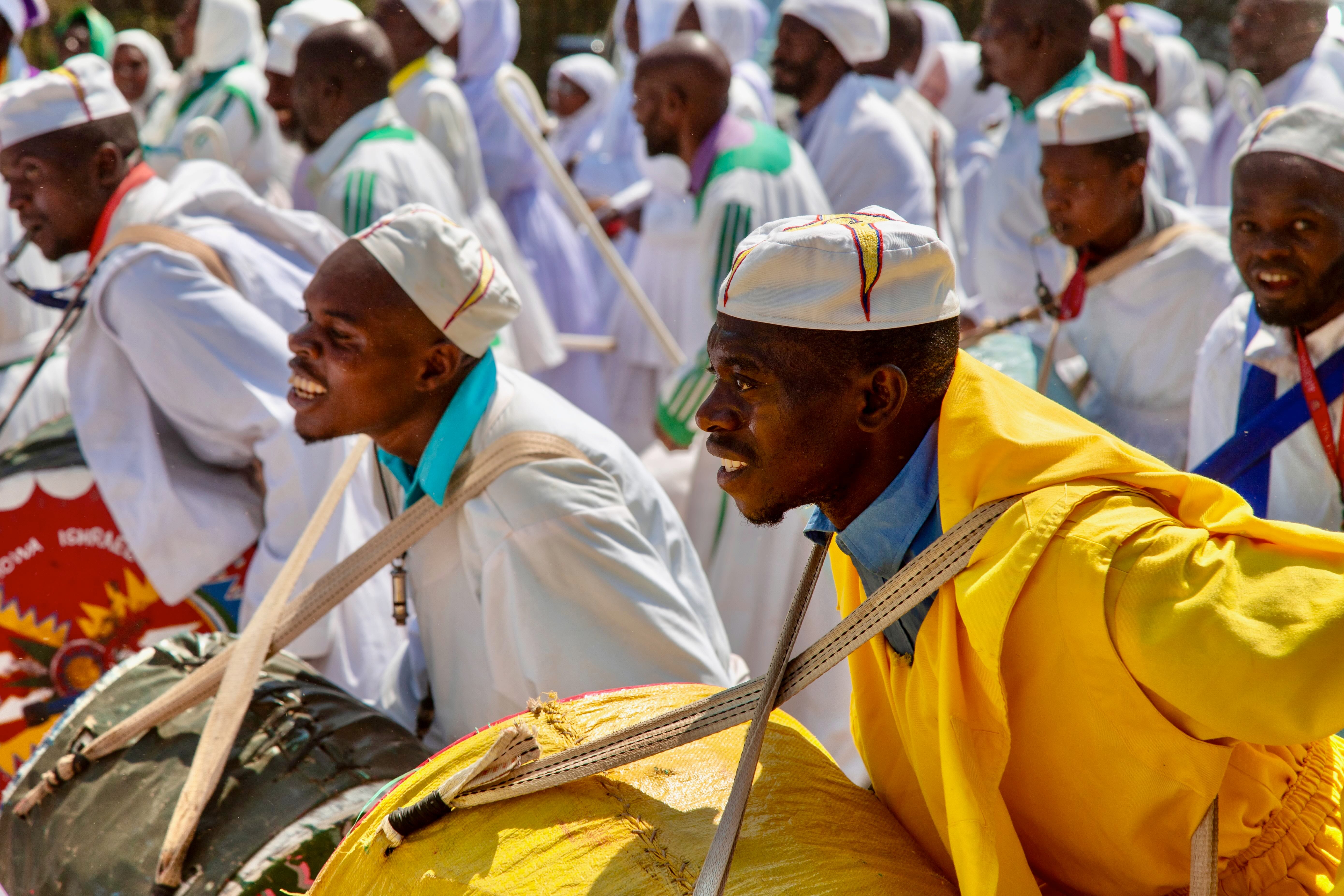
The Eastern Highlands have long been defined by their landscape —misty mountains, deep valleys, and ridgelines that have sheltered communities for generations. Shona groups lived and farmed here long before colonial-era estates introduced tea fields, timber plantations, trout fishing, and even golf courses, leaving a mix of traditions that still shape daily life. Scattered archaeological sites and old trading paths hint at how long people have moved through these mountains, which remain one of Zimbabwe’s most quietly storied regions.
Quick Facts
Currency: USD is the practical currency for travelers and the one most commonly accepted. A new local currency (ZiG) exists but was not widely seen during the author’s visit; visitors should plan to use USD for all expenses.
• Cafe coffee: $3-$4
• Simple lunch: (~$7–12)
• Nyanaga National Park Entrance Fees: $25
Language: English, Shona
Elevation: Up to 2,592 m (8,503 ft) (Mount Nyangani)
Fun Facts
Trout were introduced to the Eastern Highlands in the early 1900s, making it one of the few trout-fishing regions in Africa.
The Vumba is home to Zimbabwe’s oldest botanical garden and is still in use.
Much of the Honde Valley’s tea comes from steep, smallholder farms, giving the region an unusually local character.
Africa University, just outside Mutare, enrolls students from more than 25 African countries.
World’s View in Nyanga sits on a granite outcrop with panoramas stretching deep into Mozambique.
Local belief around Mount Nyangani holds that people can “vanish” if they stray from the paths, and a guide is required for the hike.
Final Thoughts
The Eastern Highlands remain one of Zimbabwe’s most overlooked regions —a place where travelers can slow down, meet welcoming communities, and explore landscapes that feel far removed from the country’s more visited areas. Whether you’re standing at the edge of Mtarazi Falls, hiking the ridges of Mount Nyanga, or wandering through Mutare, the Highlands reward unhurried travel. With new interest in agro-tourism and responsible, low-impact experiences, the region is starting to open up in thoughtful ways while still retaining its sense of calm and space.
For the full story of my time exploring the Eastern Highlands, read my companion essay: What We Should Expect to See Is What We Will See. 🇿🇼
If you liked this, there's more where it came from. Nothing to Declare opens a window somewhere new every week — travel essays, photography, cultural observations, and books worth reading. Once a week, sometimes more. Free to subscribe.
If you’d prefer to support through photography, I also sell prints. And if you spot a photo in a story that you like and isn’t listed, reach out. I’m happy to do special runs at no extra cost.
Fabulous guide - really enjoyed this - and the views from the skyline walkway!
Looks like an interesting place to see. How does it compare versus Rwanda?