


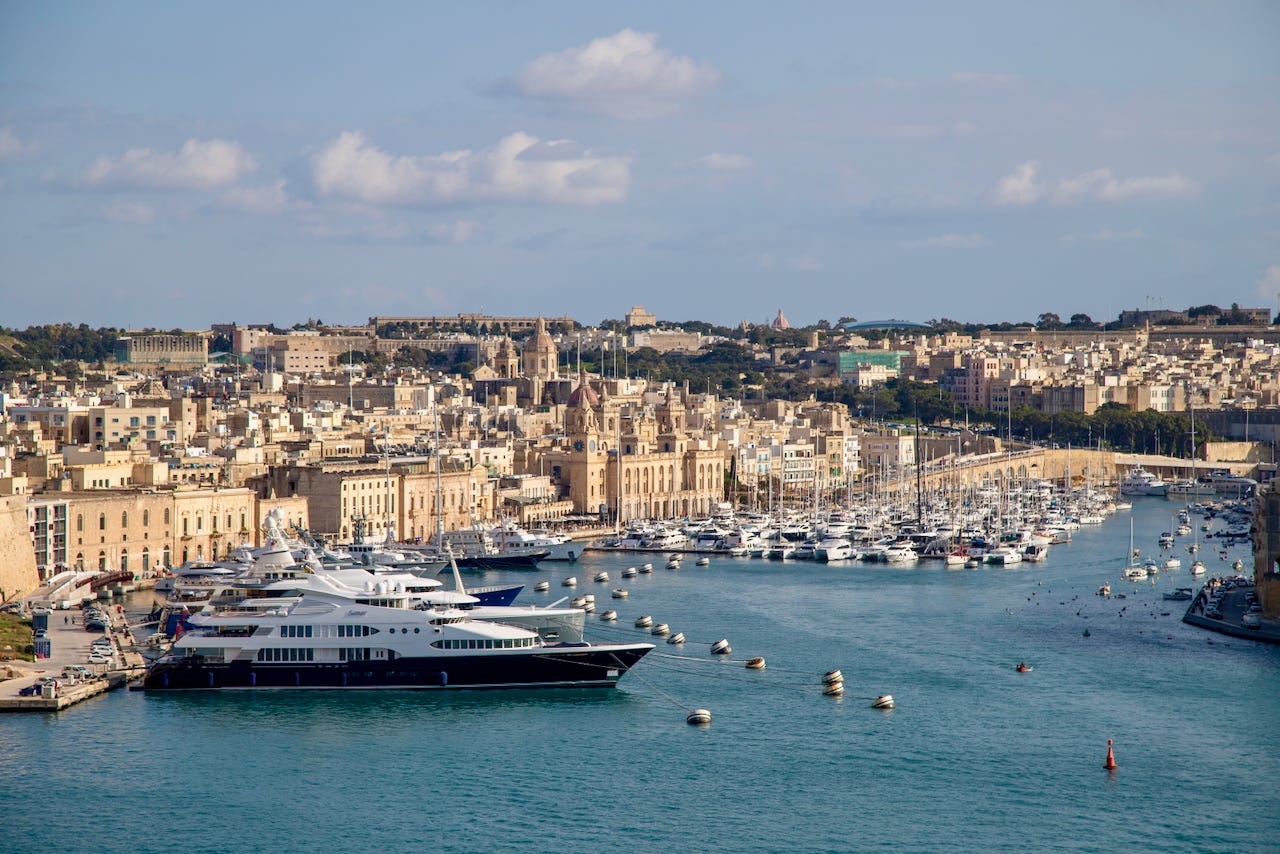
The rental site promised the deal of the century: one week for $29. By the time I landed, I half expected a donkey. Instead, the attendant handed me a bill — an additional $50 for arriving seven minutes past closing. He apologized, then added: “Rules are rules. If we bend them, we’d be Italians.”
Before I could drive off into the Mediterranean night, the attendant marched me to the garage for a ritual of documentation. Not one photo of the car. Not ten. At least one hundred. We circled the vehicle like forensic investigators after a mob hit, snapping every centimeter: the hood, the mirrors, the wheel wells, the gas cap. By the time we were done, I was beginning to wonder if renting a donkey would have been faster.
Finally, an hour later, I was on the road in a brand-new car that was somehow already obsolete. No USB port. No screen. No way to display maps. Just a radio and a power window on the driver’s side. In an age when refrigerators come with touchscreens, here was a car fresh off the assembly line designed to remind you that you were on your own.
The roads outside the airport were empty, and for a moment I thought this might be manageable. Then the loops began. Every sign seemed to point back to the same roundabout. I circled until déjà vu turned into outright comedy. The road to Naxxar should have taken twenty minutes; it took me forty.
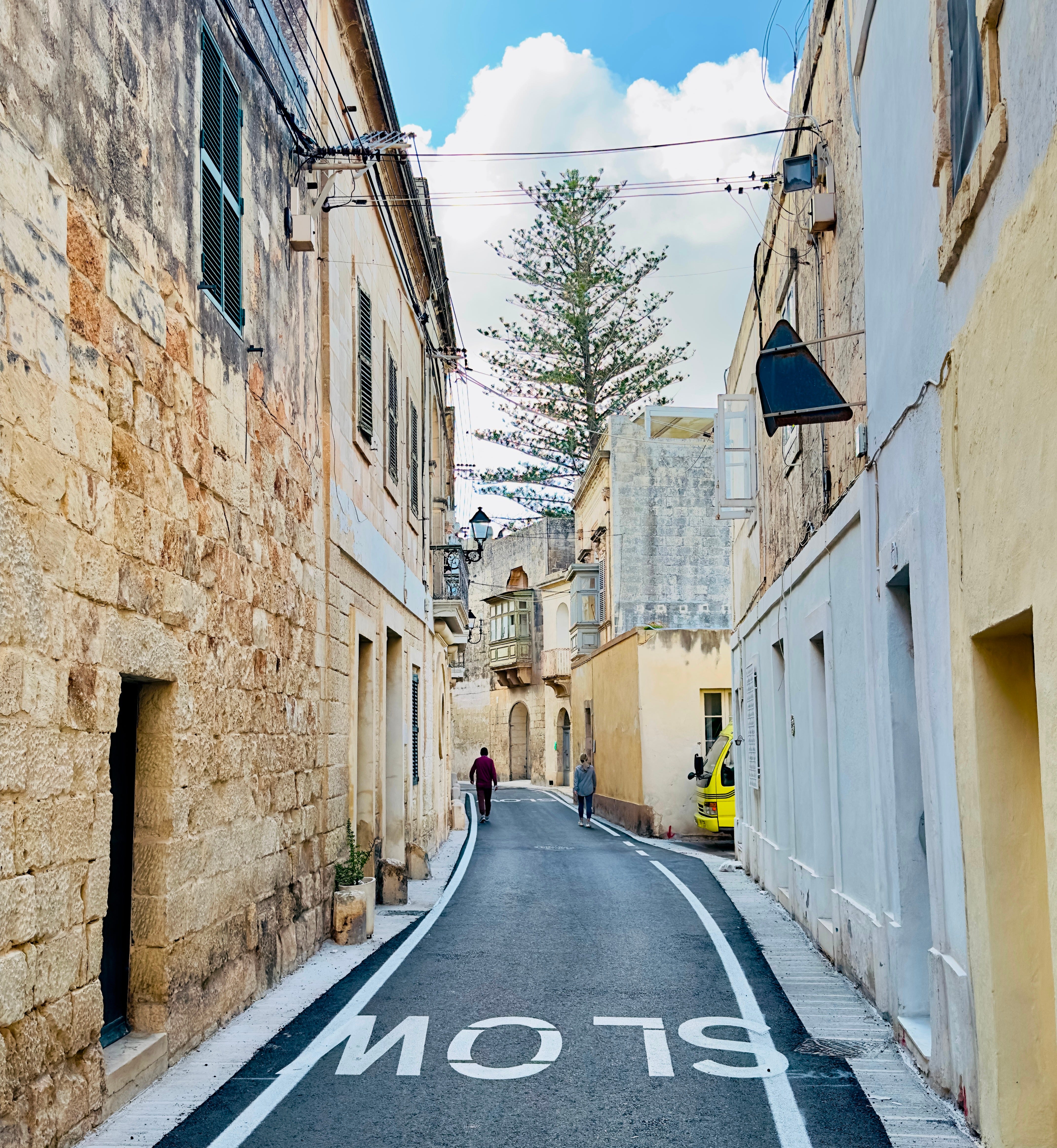
Daylight revealed what darkness had hidden: Malta’s roads are not roads so much as stone corridors. Single lanes squeezed between limestone walls that had no interest in whether you passed unscathed. The British legacy of driving on the left clashed with Italian-style maneuvering, multiplied tenfold. Cars overtook on blind corners, scooters darted like dragonflies, and delivery trucks drove straight at you and assumed you’d move.
Less than a day into driving, I realized survival had nothing to do with obeying traffic laws and everything to do with faith. Thankfully, Malta is a very Catholic island.
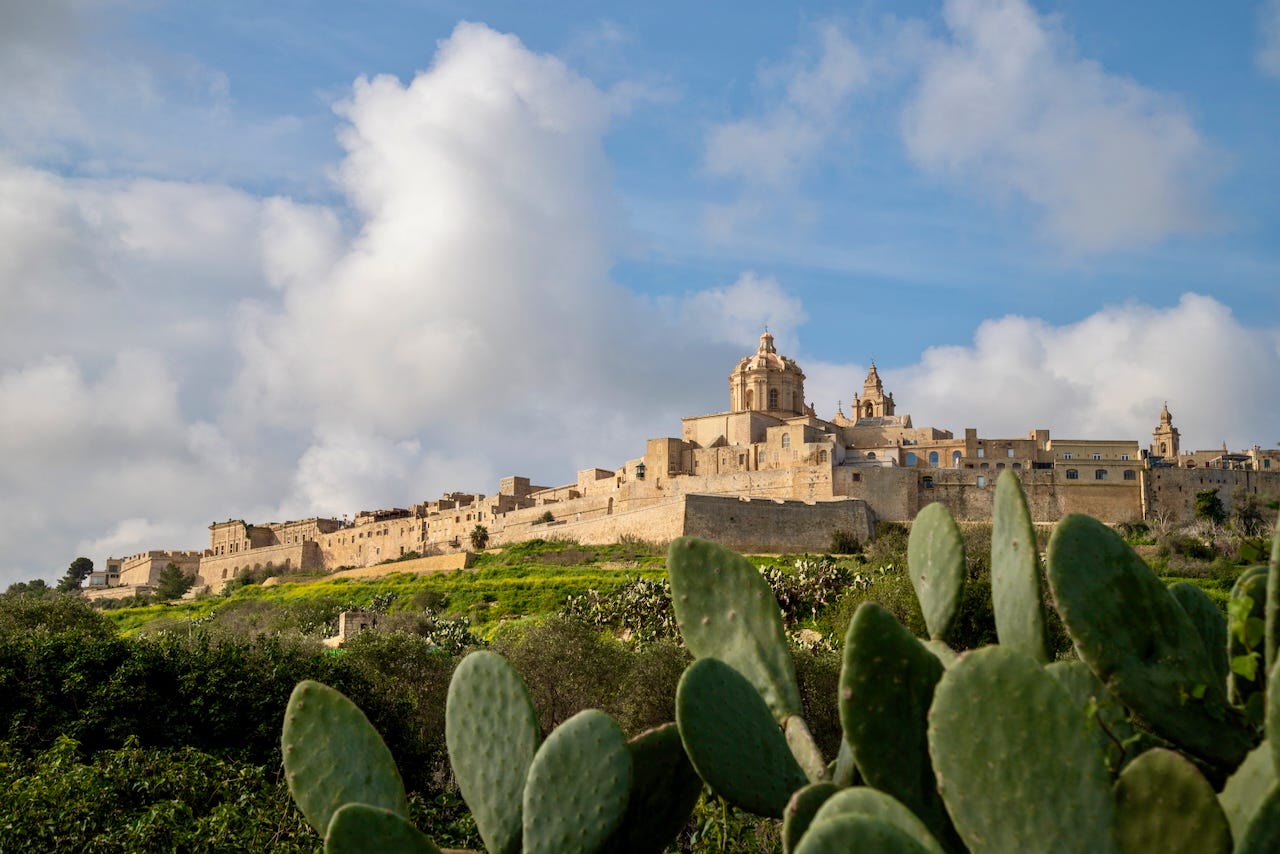
I aimed the car toward Mdina, Malta’s walled citadel, once the island’s capital and now better known as “the Silent City.” Silent, I discovered, only after you park. Inside the walls, Mdina was calm, timeless, golden. I passed a sign for a Game of Thrones tour — apparently filmed there, though I’d never seen it — and kept walking.
From there, I drove north toward Popeye Village, the seaside film set built for the 1980 Robin Williams musical that no one saw but everyone remembers. For a moment, I wondered if I was slipping into cinema tourism, but Malta is just that compact. From Naxxar, where I was staying, everything on the island seemed to be about twenty-five minutes away — without traffic, anyway.
The road to Popeye felt like it had been engineered by a set designer too: single-lane strips winding through open fields, passing collapsed ruins that couldn’t decide if they were medieval or just neglected. At one point, my phone GPS instructed me to drive through what was very clearly a footpath. When I finally arrived at the overlook, the cartoonish clapboard houses perched above the turquoise bay looked less like Hollywood leftovers and more like someone had simply forgotten to yell “cut.”
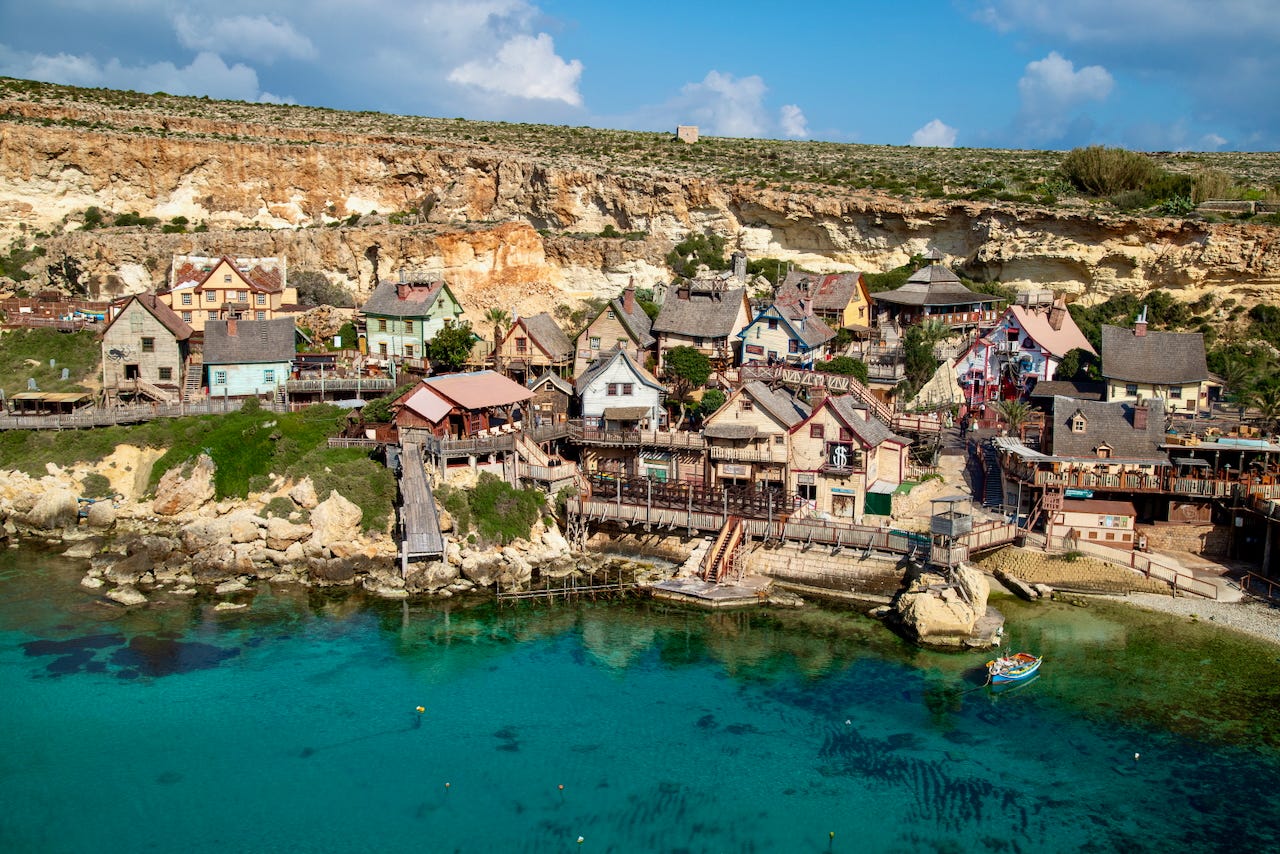
Valletta was next. Malta’s capital is famous for its Baroque architecture and fortress walls, but behind the wheel, it feels less like a city and more like a funnel. Valletta and its sister peninsulas jut into the harbor like fingers, so every car has to squeeze through the same narrow base before spilling downhill toward the sea. Parking and walking made sense, so I did, marveling at the stubborn few still trying to drive in as though it were some kind of challenge.
It was then that I began to see Malta’s roads as a kind of ongoing metaphor. The island has always been caught between bigger forces: Europe and Africa, Catholicism and Islam, fortress and holiday isle. Its streets are no different. They are squeezed, improvised, and constantly negotiating contradictions.
The further I drove, the clearer it became that Malta doesn’t want you to glide through it. It wants you to wrestle with it — to inch past stone walls and blind corners, to arrive with sweat on your palms and stories to tell. It is, in its own way, a test.


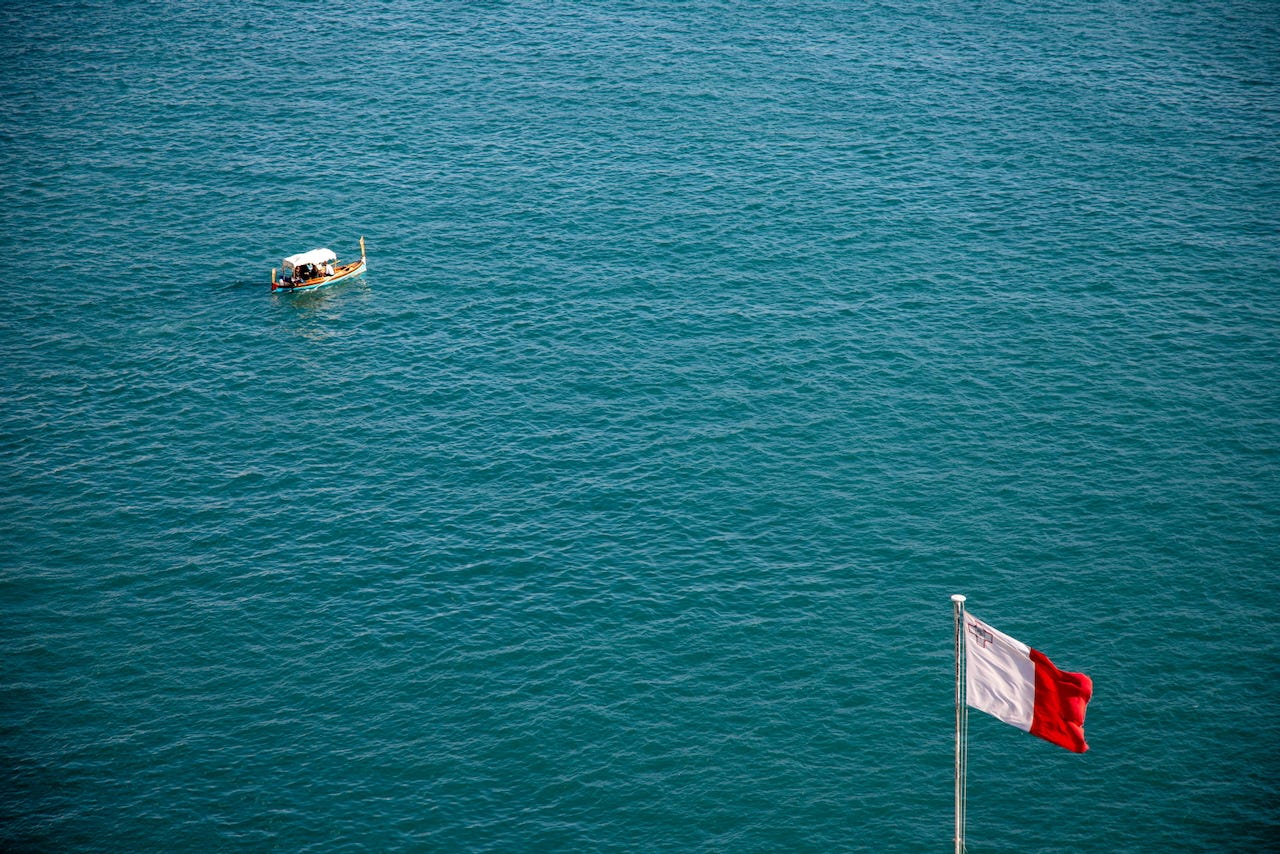
By the time I headed south, I was starting to feel like a pro. My destination was Marsaxlokk, the fishing village famous for its brightly painted luzzu boats. The sun had other plans. It rose squarely into my windshield. I squinted, leaned forward, and tried every angle of the visor. Nothing worked. The road curved toward the sea, and I drove half-blind, guided only by faith that today was not the day I would kill a cyclist.
Marsaxlokk itself was worth the stress: harborside cafés, colorful boats bobbing in rows, fishermen preparing their nets. It was peaceful in the way only a place reached through mild suffering can be.
The Blue Grotto, on the other hand, made me earn it twice. The approach wound through hairpin turns along the coast, and somewhere along the way, I missed the lookout point. Then I missed it again. And then again. Three separate passes, three separate chances, and each time the road spat me back out like I wasn’t invited. By the fourth attempt, I gave up, parked, and walked.
When I finally stood at the edge, the views were staggering. I exhaled for the first time in thirty minutes. That was Malta’s rhythm: punishing approach, breathtaking release. Walking around afterward, I realized it wasn’t just the grotto. The island kept doing it to me — stress giving way to light, frustration dissolving into calm. Maybe it was the weather. Maybe it was Malta itself.


At some point, I confessed to my host that navigating the island by looking down at my phone was dangerous. They responded with sympathy and told me to check a drawer in the apartment for a suction cup. I found it exactly where they said, coated in cat hair. Theoretically, it stuck to the windshield. In practice, it detached every five minutes. Driving became a three-part choreography: watch the road, watch the mirrors, watch my phone slide southward until I could slam it back on mid-roundabout.
By the third try, I was convinced the cat hair was less an accident and more of another initiation rite. My host also told me the Maltese are a contradiction. “You’ll see your neighbor out front, and she’ll give you a hug, maybe run inside to hand you fresh-baked cookies. But see that same lady in her car, and it’s Jekyll and Hyde — honking, yelling, tailgating. Driving like she’s never met you.”
Still, somewhere between refastening the phone and dodging delivery vans, I started to understand Malta. The island wasn’t trying to make driving easy — it was reminding you that nothing here ever has been. Its streets weren’t designed for convenience; they were designed for survival, improvisation, and whatever worked in the moment. You didn’t glide through Malta. You wrestled with it, and only then were you rewarded.
By the time I returned the car, I half expected the attendant to take another hundred photos and send me straight to confession. Instead, he limped over, glanced at the odometer, shrugged, and sent me on my way.
I had survived Malta’s roads, which meant I had, in some small way, survived Malta itself.
Beautiful. Maddening. Chaotic. Contradictory. And I wouldn’t have had it any other way.
The Briefing
Malta’s megalithic temples are older than the Egyptian pyramids and Stonehenge, making the island home to some of the oldest freestanding structures on earth. The entire country is smaller than most cities — you can drive across it in about forty minutes, traffic willing. Here are some hotels I’d recommend.
I passed my Maltese Road Test, but the story doesn’t end with me. If this piece reminded you of your own journeys — or of someone who’d enjoy discovering this remarkable country — pass it along. Stories only grow when they’re shared.
Thanks for reading. Subscribing is free, but it’s reader support that makes it possible to create comprehensive stories — and to share them openly with everyone.
If you’d prefer to support through photography, I also sell prints. And if you spot a photo in a story that you like and isn’t listed, just reach out. I’m happy to do special runs at no extra cost.
I recall getting a bus in Malta in the late 1980s. It broke down on a steep hill. The driver propped some bricks behind the back wheels and went off to find some petrol. Fun times
We just used the tiny map provided with the car, figuring there was no way we could possibly get lost on this postage stamp island. Huge mistake!!