


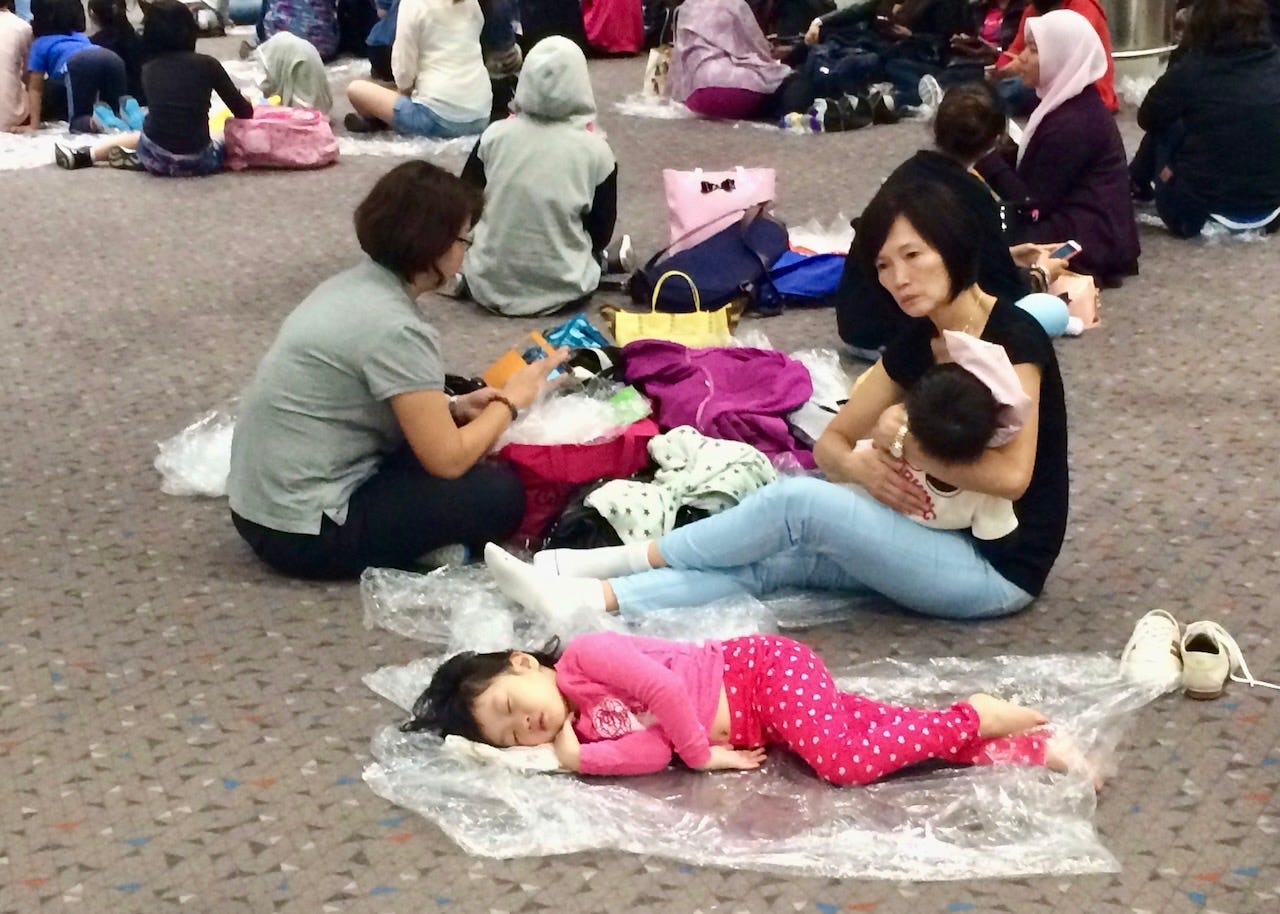
The stories we tell about travel aren’t neutral. They’re selections. We crop them, polish them, and present the highlights: the best photos, the great meals, the perfect views. But when we think about the trips we still talk about years later, the highlights don’t always come from those brochure-ready moments.
Sometimes, what lodges in memory isn’t beauty but disruption, the rainstorm that forced you to abandon your original plans, the train you barely caught, the dinner that turned out to be nothing like what you thought you ordered. These moments aren’t glamorous, but they have texture. They demand attention.
Psychologists call this stickiness “desirable difficulty.” Struggle sharpens memory. It’s the same reason a student retains more when material is harder to read or why an athlete improves most when practice nudges past comfort. Travel can work the same way, not because disaster is noble, but because the friction makes you notice. Psychologists studying memory and emotion have traced how that noticing endures. We’re wired with a negativity bias: obstacles and mishaps carve deeper grooves in memory than smooth stretches of ease. But with time, another pattern takes over: the fading affect bias. The sharpness of the frustration blurs, leaving only the bones of the story. You don’t remember how soaked your shoes were in the storm, only the absurdity of laughing while wading through water. You forget the ache of the long wait at a border crossing, but you remember the conversation with the stranger beside you.
This alchemy, where difficulty loses its sting but gains meaning, is why misadventures transform into the stories we tell again and again. That doesn’t mean ease is meaningless. A seamless day can be beautiful in its own right. But if every detail is handled, every surprise ironed out, the experience risks sliding past without leaving an imprint. Infinity pools and buffets can soothe, but they don’t demand.


By contrast, the moments when plans fall apart—whether it’s a late bus, a wrong turn, or an unexpected delay—can open storylines you would have missed. A kindness from a stranger, an odd encounter, or simply the realization that you were paying attention in a way you don’t back home. Shared difficulty has a particular way of knitting people together. A delay becomes bearable when strangers start swapping snacks or stories. Even fleeting connections, a bag carried, a joke shared, become the details that surface years later. Smooth travel rarely offers that chance; friction does.
Not everyone responds to that friction the same way. For some, difficulty feels like an interruption. For others, it becomes the very proof that they’ve traveled at all. What matters isn’t the size of the setback but how it’s absorbed, whether as a nuisance, adventure, or a story.
What matters isn’t the size of the setback but how it’s absorbed, whether as a nuisance, adventure, or a story.
Still, not every trip needs a crisis to matter. The boarding of a train in a foreign country, the small adventure of shopping in a supermarket abroad—these moments anchor too, if you let them. They have friction after all. They don’t always announce themselves as “story-worthy” at the time, but with attention, they can leave as deep a mark as a missed train.


Writers like Theroux understood that the glamour of travel comes from the edges where ease and difficulty overlap, where you are asked to stretch beyond yourself. Sometimes that’s in a border crossing at dawn. Other times it’s in realizing you’ve slipped into the cadence of a place, no longer a spectator but a participant.
The truth is, what you remember isn’t the disaster itself, it’s the texture it gave the trip. These are the moments when you felt present, challenged, or connected, whether in frustration or delight. Each retelling reshapes the journey a little: the storm grows stronger, the delay longer, the kindness greater. What we carry home is not just what happened, but the story we’ve made of it.
So the next time your trip starts to unravel —when the plans change, the sky opens, or the meal you proudly ordered turns out to be something unidentifiable— take a breath. This isn’t failure. It’s the part you’ll remember and retell.
So yes, your favorite trip may have been a disaster. And that’s exactly why it’s your favorite.
I want to keep this work open without paywalls so everyone can enjoy. If it’s within your means, the best way to help is with a paid subscription. That support makes it possible for me to keep writing and sharing freely with everyone. If not, you can still make a difference by subscribing to the free tier and passing this piece along to a friend. Every reader counts, and together we can keep opening new ways of seeing the world.
If you’d prefer to support through photography, I also sell prints. And if you spot a photo in a story that you like and isn’t listed, just reach out. I’m happy to do special runs at no extra cost.
You're spot on. When I think of the stories I tell of my most recent trip they involve missed flights, an unplanned ferry trip with an ex, hostel nightmares, etc. Often these stories sucked in the moment but make the best, funniest stories.
Great piece, and I couldn't agree more. Travel is a popular topic in the EFL classroom and students inevitably want to share their best stories, but I always encourage them to think of the more negative ones. As you've articulated so beautifully, they make the most memorable stories and are often the best learning experiences. I truly remember the disasters more than anything else and they are far more fun to tell than the happy clappy 'yay, we sat on the beach!' nonsense 😂
Interestingly, there's a correlation between good language learners and those willing to embrace this idea. The good ones love the challenge and stretching themselves and I would always share some of my horrible stories (a trip to Ireland featuring scabies and days of cancelled flights because of air traffic control outages is one of the highlights...or lowlights?).
My favourite story from a student, and one I share with my classes to inspire them - she took a trip to the mountains in western Ukraine one August and it rained for the entire week so they couldn't do any hiking at all. She was with her best friend and her boyfriend, and the boyfriend's friend. They sat inside playing cards and chit-chatting all week. Long story short - she ended up marrying the boyfriend's friend! (not on that actual trip, though)