



The top-selling trip of 2026 for EF Ultimate Break —a company that designs travel for 18 to 35-year-olds— is a cruise through Croatia where nobody drinks. The travel industry, it turns out, has just discovered something I have been doing since November 2018, and that many people have been doing far longer, for reasons that have nothing to do with wellness trends.
The first time I traveled sober was to Japan. I had been before, multiple times, and I knew what I was walking into, although I am not sure that made it less difficult. Anthony Bourdain had made a generation of travelers believe that the izakaya at midnight or connecting over the local libations was the whole point. That wasn’t just how Bourdain traveled. It was how I traveled. Late nights in low-lit places, cold Asahi and karaoke with people I had just met, and drinking plum wine in hostels. I wasn’t sure what Japan looked like without that, or whether it would still feel like Japan at all.
It was, despite being less than a month in and fighting the urge to just do it all again because I was on vacation, one of the better trips I'd taken there. What I thought I was losing turned out to be a much smaller part of the experience than I had given it credit for. Instead, I was up before the city, running the Imperial Palace gardens in the November cold, and found myself alone at a nearby temple in my running clothes because no one else was around. That version of Japan had always existed. I had just never been awake for it.
In the years following, I began noticing a broader shift around the world, with the 0.0% section at supermarkets expanding and non-alcoholic options appearing on restaurant menus of various price points. It felt anecdotal at the time, just the kind of thing you notice more once it applies to you.
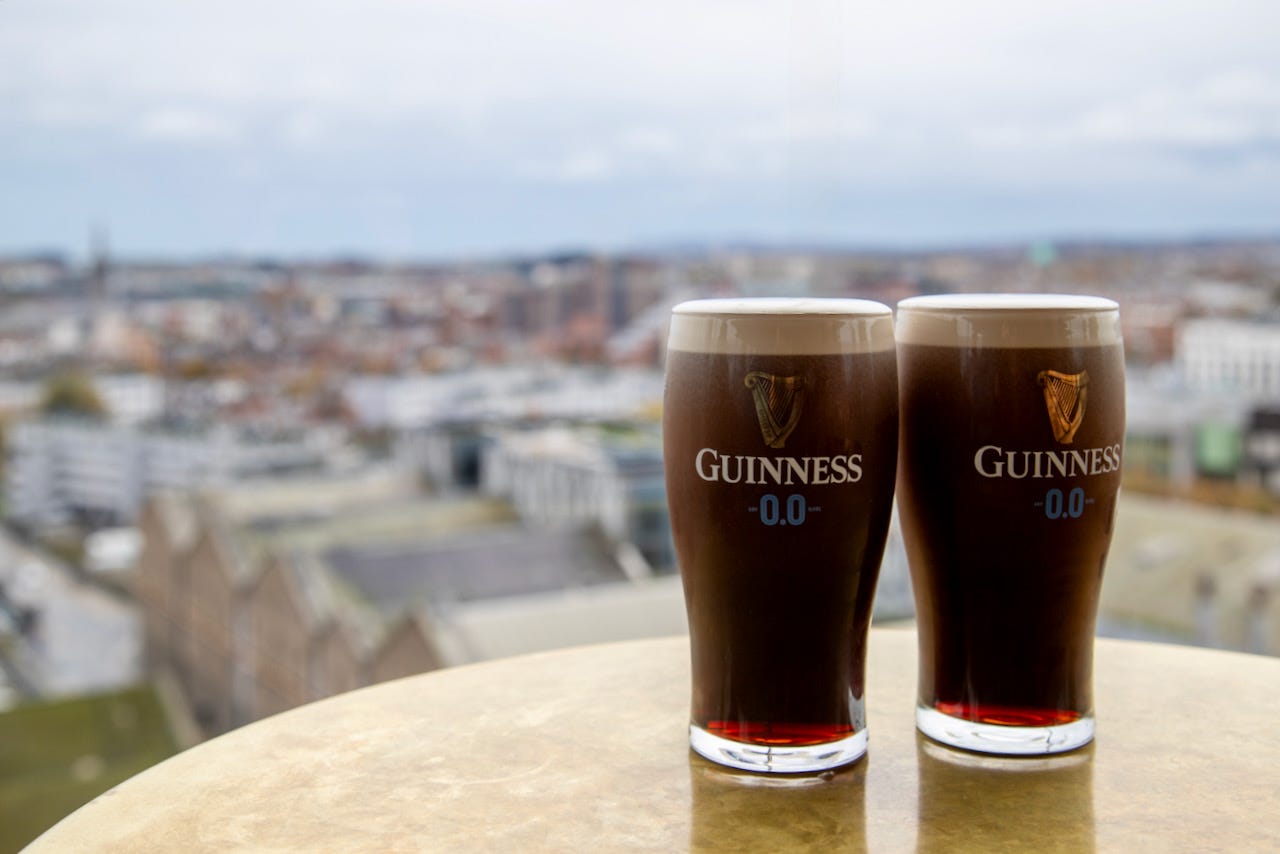
It turned out not to be anecdotal. By 2025, just 54% of U.S. adults reported drinking alcohol —the lowest figure in nearly 90 years of Gallup polling.
Among Gen Z adults, only 50% say they drink, down nine points in two years, and 83% of Gen Z travelers now say they prefer to stay sober while traveling. But the trend runs wider than one generation, with 57% of Millennials and 49% of Gen X also planning to drink less this year in a 2025 survey.
The shift is not limited to the United States. Hilton’s 2025 Trends report found that one in four travelers globally reduced or eliminated alcohol in 2024, with notable declines in China (33%), Mexico (32%), and Australia (29%). The travel industry has only recently looked up and noticed, and what it saw was not a youth trend but a revenue opportunity it had been walking past for years. I had seen this firsthand, just a few months earlier.
When I checked into a hotel in Greece, a luxury stay, not the kind of trip I can usually afford to take, I was called after arriving at my room and asked if they could bring me a complimentary bottle of chilled wine. I thanked them but told them I didn’t drink. They didn’t miss a beat. Did I want the non-alcoholic version instead? They had one ready and from another local winery. Seven years earlier, that question would not have existed. The hotel had anticipated it, stocked for it, and trained its staff to offer it without making it into something. That is not a small thing.
The industry has since then seemingly only doubled down. Hotels are redesigning their bars as communal spaces rather than alcohol-forward venues, cruise lines are launching alcohol-free packages, and hospitality executives are giving interviews about how they are reimagining leisure without alcohol at the center of it. An $18 mocktail gives me pause, but the direction is right.
Until recently, the only sober traveler the industry had ever built anything for was the wellness guest who was looking for a spa retreat, juice cleanse, or the kind of stay that involves herbal tea and guided meditation before breakfast.
That’s one version of it, sure.
Here is mine: I am not hungover. I was not hungover yesterday. I will not be hungover tomorrow. This has been true for over seven years, on solo trips and press trips, trips with my wife, and raucous dinners with friends new and old, where I was sometimes the only person at the table not drinking. It is not a wellness trip. It didn’t start as one either. It is just how I live now, and I enjoy travel more because of it.
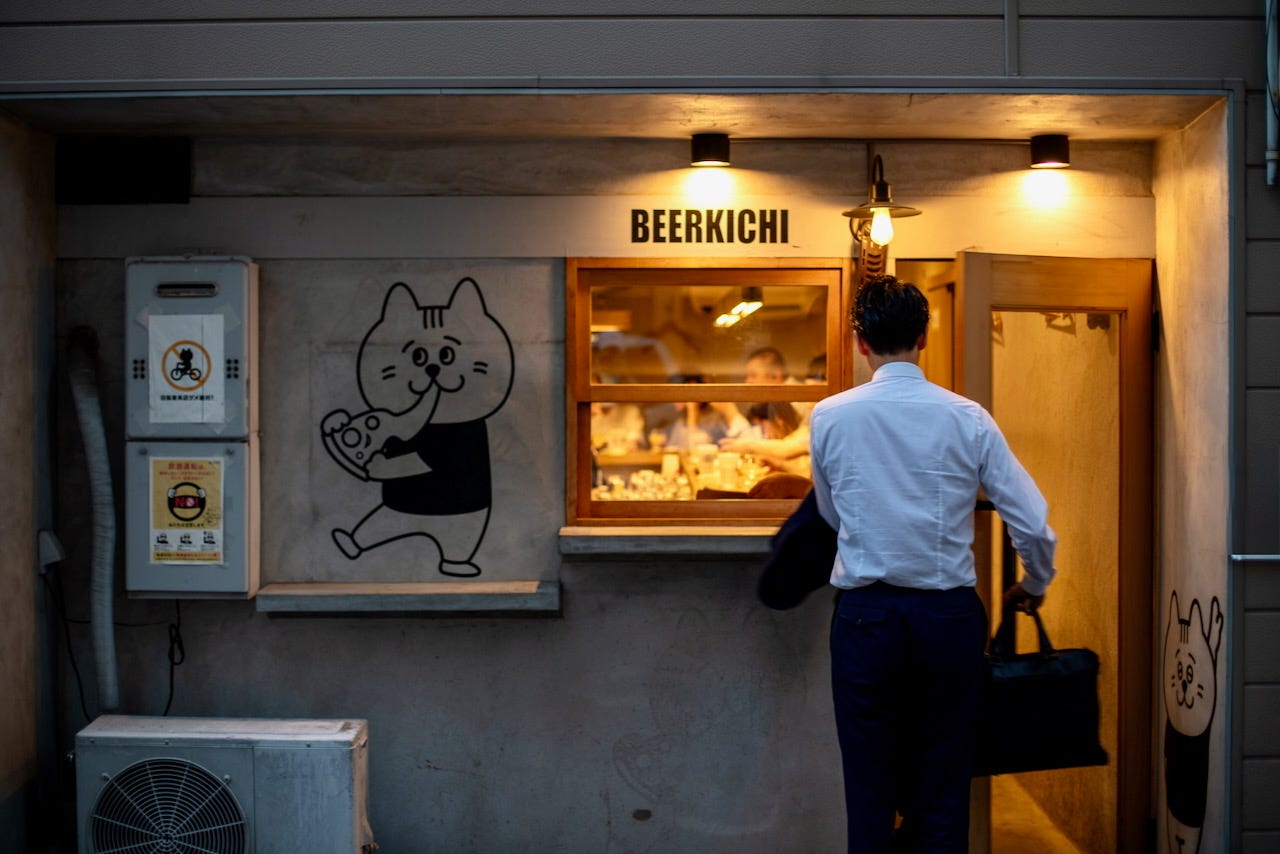
If you watch any of Bourdain’s shows, he was selling presence the whole time. All of it was about letting a place in, about not holding yourself apart from it. The alcohol was just always in the frame; in fact, it was so omnipresent that it started to look like an essential element of the experience. What I didn’t understand until I stopped drinking was how little it had to do with any of it. For Bourdain, it was clearly more complicated than that. I understand that more than I probably let on here. But the presence was always the thing, with or without a drink in your hand.
What the industry has started to figure out —slowly at first, and now in a rush— is that a meaningful share of travelers were always moving through the world this way, or wanted to. When I mentioned the Croatia cruise to people, the most common response was: why aren’t there more of those?
The demand was never really new. Operators built and pushed the same product for decades because the margins made sense, and nobody pushed back loudly enough. Now they’re finding that the margins still work, and a meaningful share of their guests will have a better trip because of it.
A while back, wandering through London, I walked past a refrigerated case and stopped. Asahi 0.0. My izakaya beer of choice. I grabbed a four-pack. It was going to be a wild night. 🍻
If you liked this, there's more where it came from. Nothing to Declare opens a window somewhere new every week —travel essays, photography, cultural observations, and books worth reading. Once a week, sometimes more. Free to subscribe. Refer three friends (free subscribers count) and earn a free month of paid, which is where some of the best stories live (🤫).
I'm afraid I'd have my Czech passport taken from me if I ever quit drinking (jokes, going sober is a trend here as well) but I love hearing stories from people who did! At the same time however - surely alcohol isn't being forced down anyone's throat on regular cruises?
I'm lucky that alcohol has never held much appeal for me...