


Japan is one of those countries where the writing is so good that you can spend years reading about it before you even set foot in the country. The culture comes through on the page in a way that few places manage — the attention to craft, the formality layered over deep strangeness, and a tension between what is said and what is meant. The things that go unspoken in daily life, the debts, the shame, the loneliness inside all that collective order, end up on the page instead, and the writers who get it right will take you closer to the country than any trip you plan yourself.
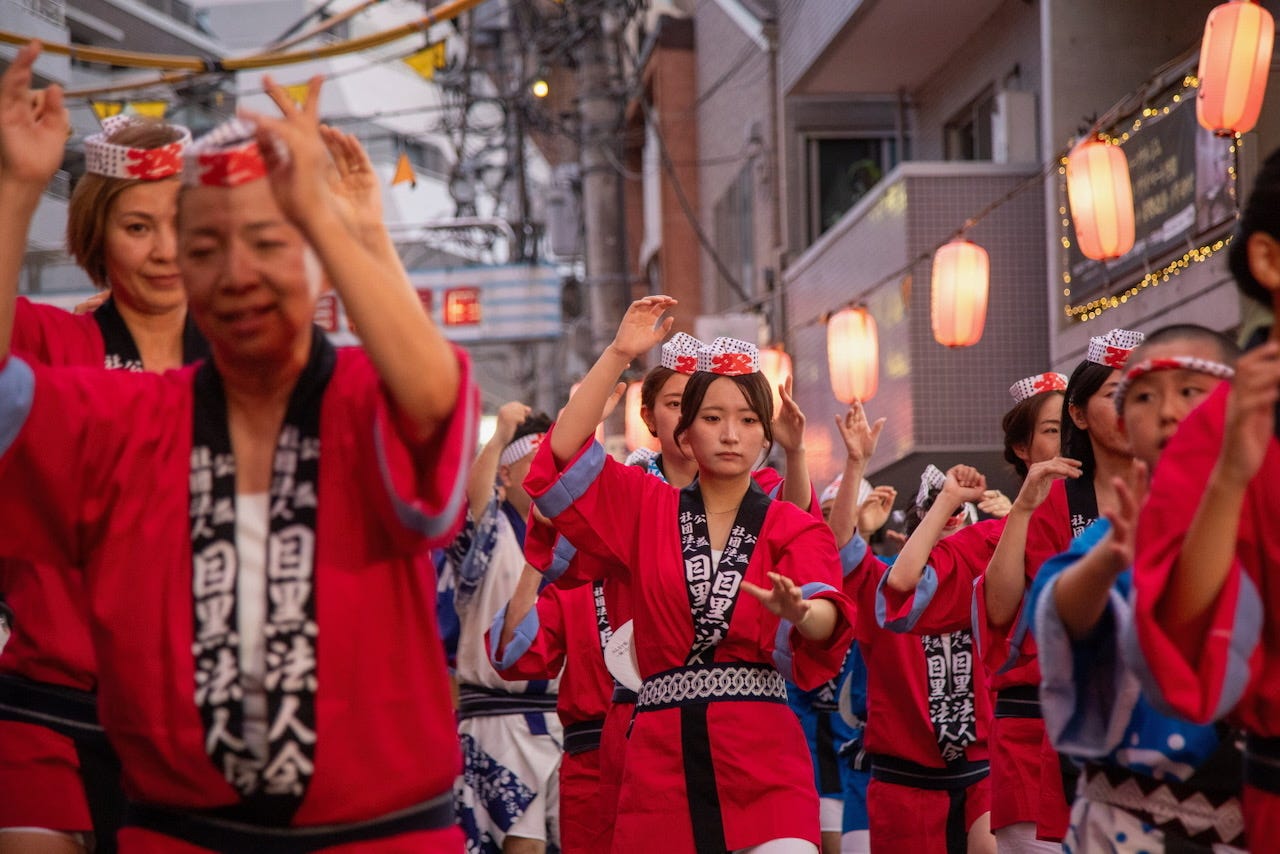
I have been to Japan many times, and I am not sure I understand the country any more than I did after the first trip. That is not a complaint. It may be the highest thing you can say about a place — that it does not flatten under scrutiny. I once walked into a neighborhood festival in Tokyo that I had no idea existed and learned more in twenty minutes than I had in the previous week of trying.
These twenty-five books are written by Japanese writers and by outsiders who spent long enough in the country to earn the right to an opinion. Some are old, some are new. I hope you find something here you have not read yet, and if you have a favorite I missed, leave it in the comments — these lists are always better when they are not just mine.
Non-Fiction
Lost Japan — Alex Kerr Kerr first came to Japan as a child, bought a thatched farmhouse in the Iya Valley, and spent decades watching the country modernize in ways that thrilled and horrified him in equal measure. Opinionated, unsparing, and occasionally romantic, it will change how you see Kyoto.
Embracing Defeat — John Dower The definitive account of Japan from 1945 to 1952, when the country was occupied, broken, and reinventing itself under American supervision. Dower won the Pulitzer for this, and it earned it.
Hiroshima — John Hersey Six survivors, one morning, and the aftermath in decades. The prose is precise and restrained in a way that makes it almost unbearable.
Bending Adversity — David Pilling If you want one book that explains how modern Japan works and why it often doesn’t, this is it. Pilling was the Financial Times bureau chief in Tokyo, and he makes the lost decades, the demographic crisis, and the long national argument about identity manageable to outsiders.
Tokyo Vice — Jake Adelstein Adelstein was the first American reporter hired by one of Japan’s major daily newspapers, and what he found on the crime beat was a world that operated according to rules nobody outside it was supposed to understand.
The Lady and the Monk — Pico Iyer Iyer went to Kyoto to live in a monastery and found himself in a love affair instead. He uses the relationship as a lens for everything the culture keeps partially hidden from foreigners: the rituals of indirection, the weight of seasons, the distance between what is said and what is meant.
The Road to Sata — Alan Booth Booth walked the entire length of Japan, from Cape Soya to Cape Sata, and wrote about it with a combination of exhaustion, affection, and booze that makes the book feel more honest than most travel writing has any right to be. He spoke fluent Japanese and died young —this is his monument.
People Who Eat Darkness — Richard Lloyd Parry The disappearance of a young British hostess in Tokyo, the investigation that followed, and the world of Roppongi nightlife and institutional failure that the case exposed. A true crime book whose real subject is the machinery of Japanese society when it encounters something it would rather not look at.
Rice, Noodle, Fish — Matt Goulding Goulding eats his way through Tokyo, Osaka, Kyoto, and Hokkaido, and what he is really doing is mapping the country through its obsessions. It makes you (very) hungry, and it makes you want to book a flight.
In Praise of Shadows — Junichiro Tanizaki Published in 1933, Tanizaki argues that Japanese culture once understood beauty as something that lived in the space between what you could see and what you couldn’t. You can finish it in an afternoon, and it's the kind of book you can reread many times.
Confessions of a Yakuza — Dr. Junichi Saga A country doctor records the deathbed confessions of an aging gangster, and the result is one of the strangest and most compelling oral histories you will ever read. Pairs well with Tokyo Vice as a before-and-after portrait of organized crime in Japan.
The Abundance of Less — Andy Couturier Ten people who walked away from mainstream Japanese life and built something else: a farmer, a woodworker, a poet, a woman who makes paper by hand. As much about what Japan looks like when you leave Tokyo as it is about any philosophy of simplicity.
The Bells of Old Tokyo — Anna Sherman Sherman went looking for the bells that once marked time across Edo-period Tokyo, most of them gone, and built a book about memory, architecture, and the way a city overwrites itself.
Fiction
Snow Country — Yasunari Kawabata A wealthy Tokyo dilettante takes the train into the mountains to visit a geisha he does not love in a way that will do either of them any good. Kawabata won the Nobel Prize, and this short novel is the best argument for why.
No Longer Human — Osamu Dazai A man who cannot figure out how to be a person. Dazai wrote it in 1948, a year before he killed himself. It is one of the most widely read novels in Japanese history.
The Sound of Waves — Yukio Mishima A young fisherman on a remote island falls in love. Mishima wrote it as a deliberate exercise in simplicity. It is a short but beautiful book.
Shogun — James Clavell An English navigator shipwrecked in feudal Japan, a civilization he cannot decode, and the political intrigue of warlords, samurai, and Jesuit priests who all want something from him. Twelve hundred pages and now notably to some an FX show.
1Q84 — Haruki Murakami Two storylines, two moons, and a Tokyo that is almost (but not quite) the one that exists. Murakami’s longest novel is also his most ambitious, and my personal favorite. A copy he signed for me is one of my prized possessions.
Memoirs of a Geisha — Arthur Golden The most famous Western novel set in Japan, and the one most likely to start an argument in the comments. Golden’s portrait of geisha culture in prewar Kyoto is vivid and absorbing and has been criticized, with reason, for the liberties it takes. It remains the book that shaped how millions of readers imagined Japan before they ever went.
Kitchen — Banana Yoshimoto A young woman whose grandmother has just died moves in with a friend and his transgender mother and begins putting her life back together, mostly by cooking.
Breasts and Eggs — Mieko Kawakami Two sections, separated by years, about women’s bodies and the choices that get made for them and the ones that don’t. Kawakami writes with a directness that is rare in contemporary Japanese fiction, and the book feels urgent without ever raising its voice.
Convenience Store Woman — Sayaka Murata A woman who has worked at the same convenience store for eighteen years and sees no reason to stop. Everyone around her thinks something is wrong with her. It is very funny, and the longer you sit with it, the less sure you are about who is actually ‘broken.’
Butter — Asako Yuzuki A journalist becomes obsessed with a woman convicted of killing three men, a woman who cooked for all of them first. The novel is about desire, control, and the particular suspicion Japan reserves for women who take pleasure without apology.
Strange Weather in Tokyo — Hiromi Kawakami A woman in her thirties keeps running into her former high school teacher at a bar near the train station, and what develops between them is (possibly) the slowest, most tentative romance in contemporary Japanese fiction.
Tokyo Ueno Station — Yu Miri A ghost haunts the park around Ueno Station, where Tokyo’s homeless population has been periodically cleared out to make the city presentable. Yu Miri tells the story of a man who came from Fukushima to build the infrastructure for the 1964 Olympics and ended up with nothing.
The Briefing
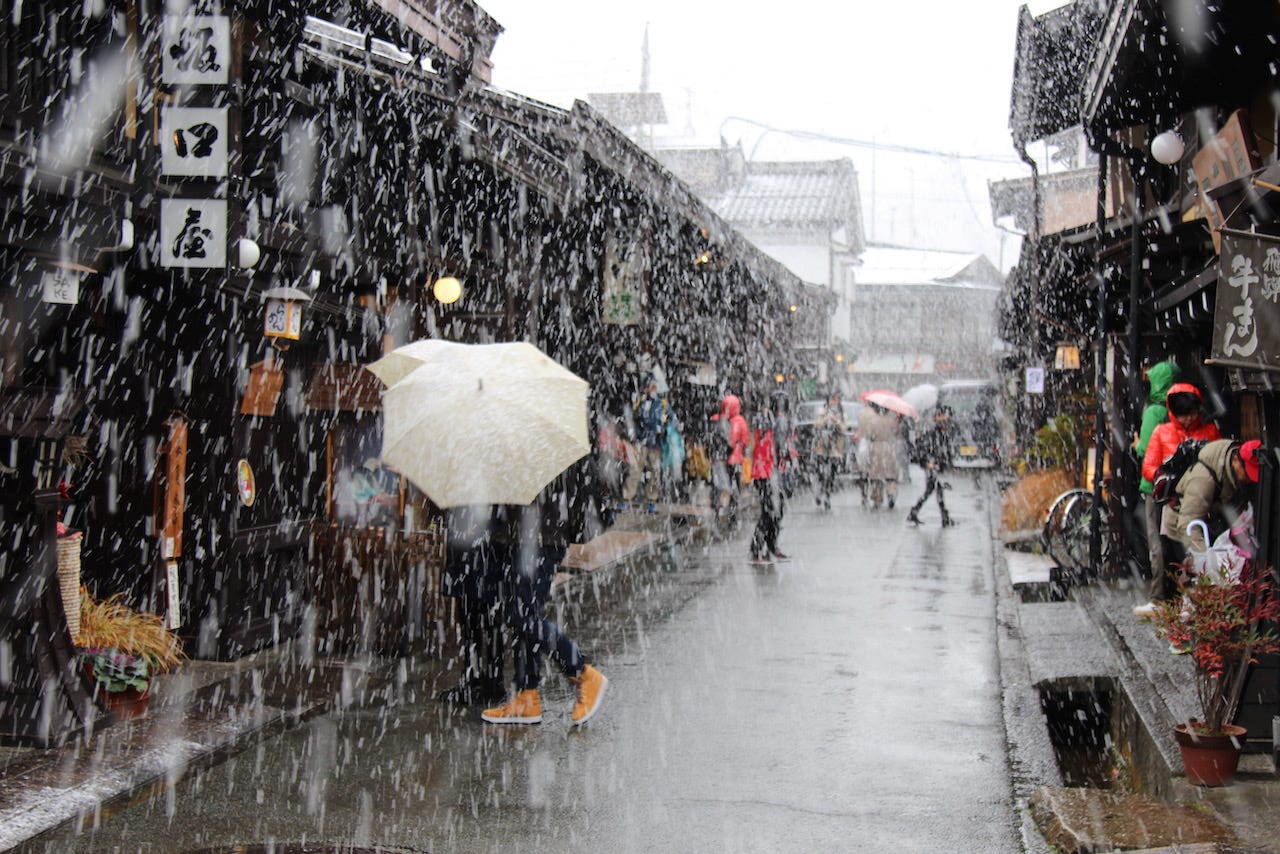
If you are planning a trip, get outside the major cities. Kyoto is beautiful but massively overtouristed, and some of the best food, onsen, and scenery in the country is in places most visitors never reach — Kanazawa, Hokkaido, Takayama, and Fukuoka. For additional Japan travel coverage, I recommend Letters from Japan by Burcu Basar. Here are my hotel recommendations for Tokyo, your likely entry spot.
If you liked this, there’s more where it came from. Nothing to Declare opens a window somewhere new every week —travel essays, photography, cultural observations, and books worth reading. Once a week, sometimes more. Free to subscribe.


Wow I’m heading back to Japan in a couple days and this list was so helpful. Have you read all these books? Im halfway through Convenience Store Woman and have a copy of No Longer Human. The Road to Sata is one I’ve never heard of before but am super intrigued by!
A few to add to the ever-growing book pile here